
Last updated October 30, 2026
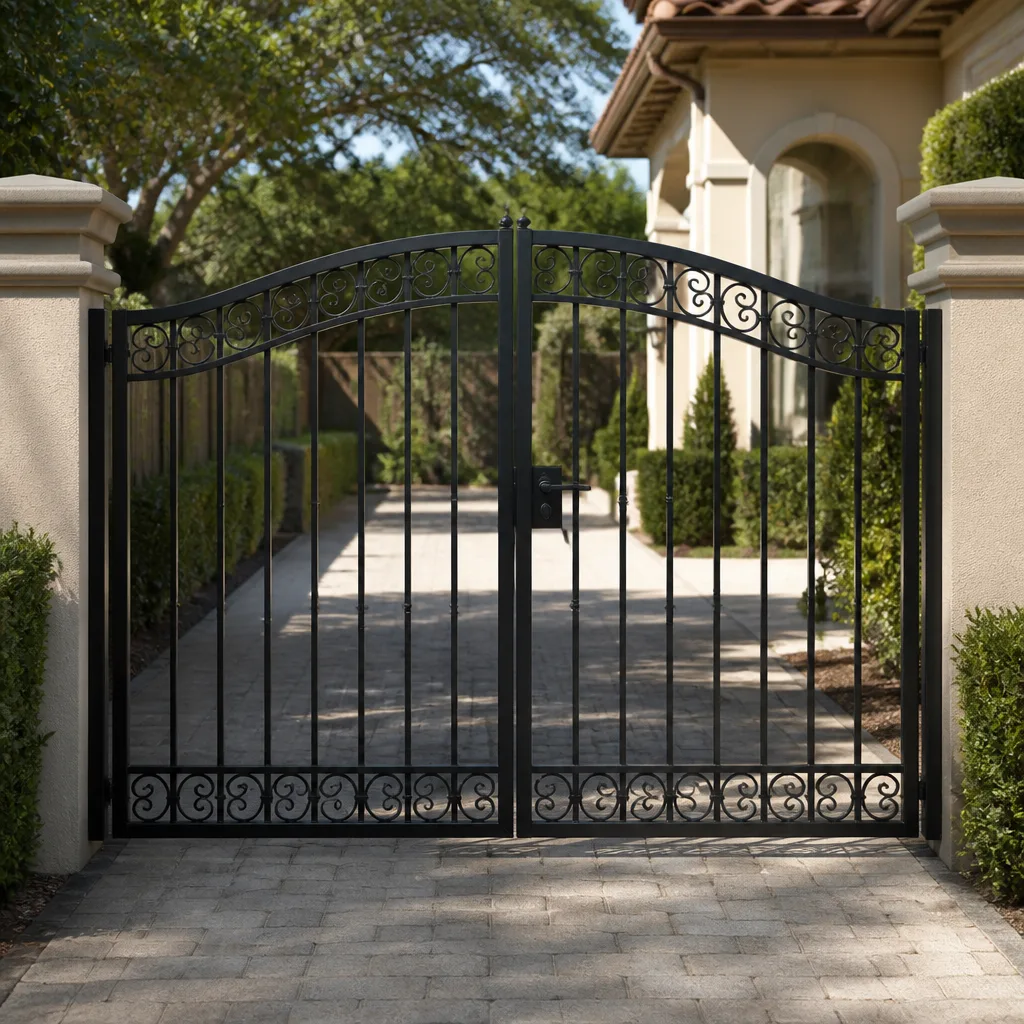 Wrought iron
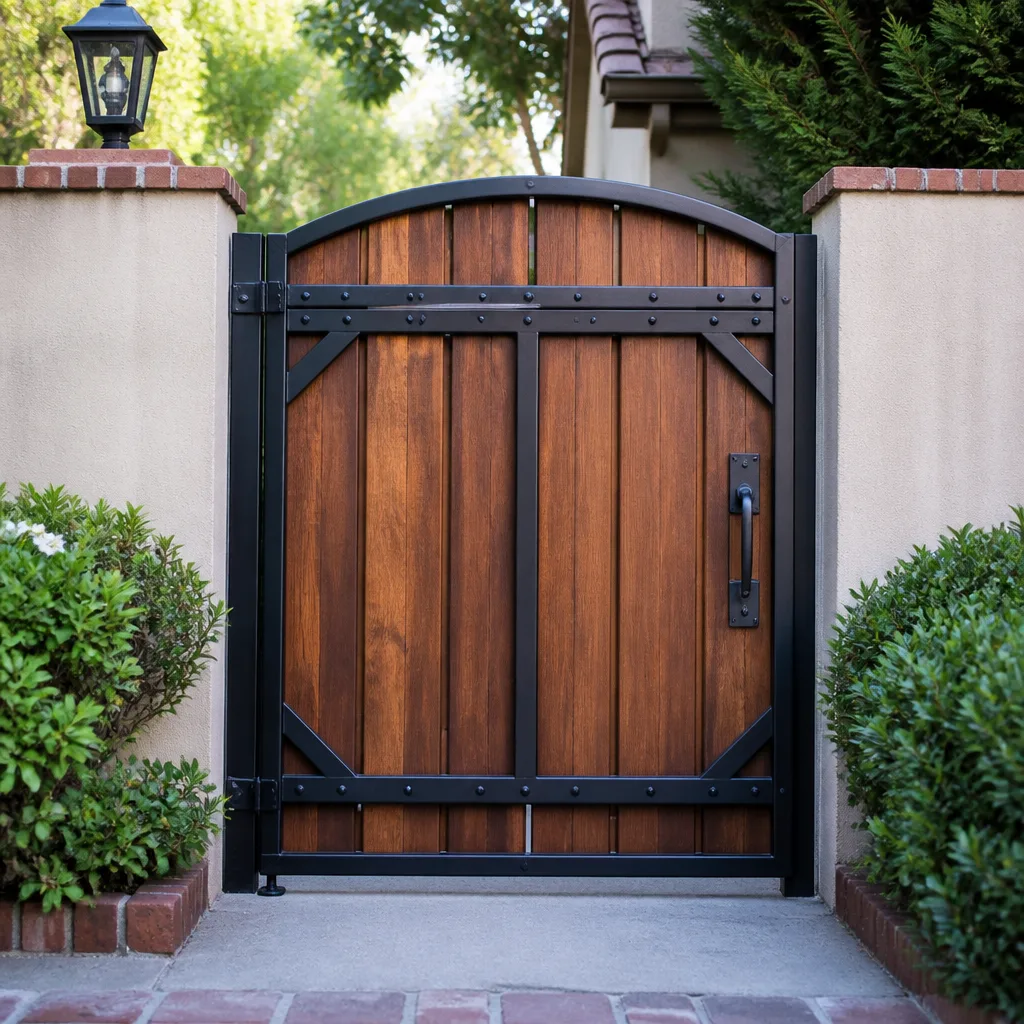 Wood & steel frame
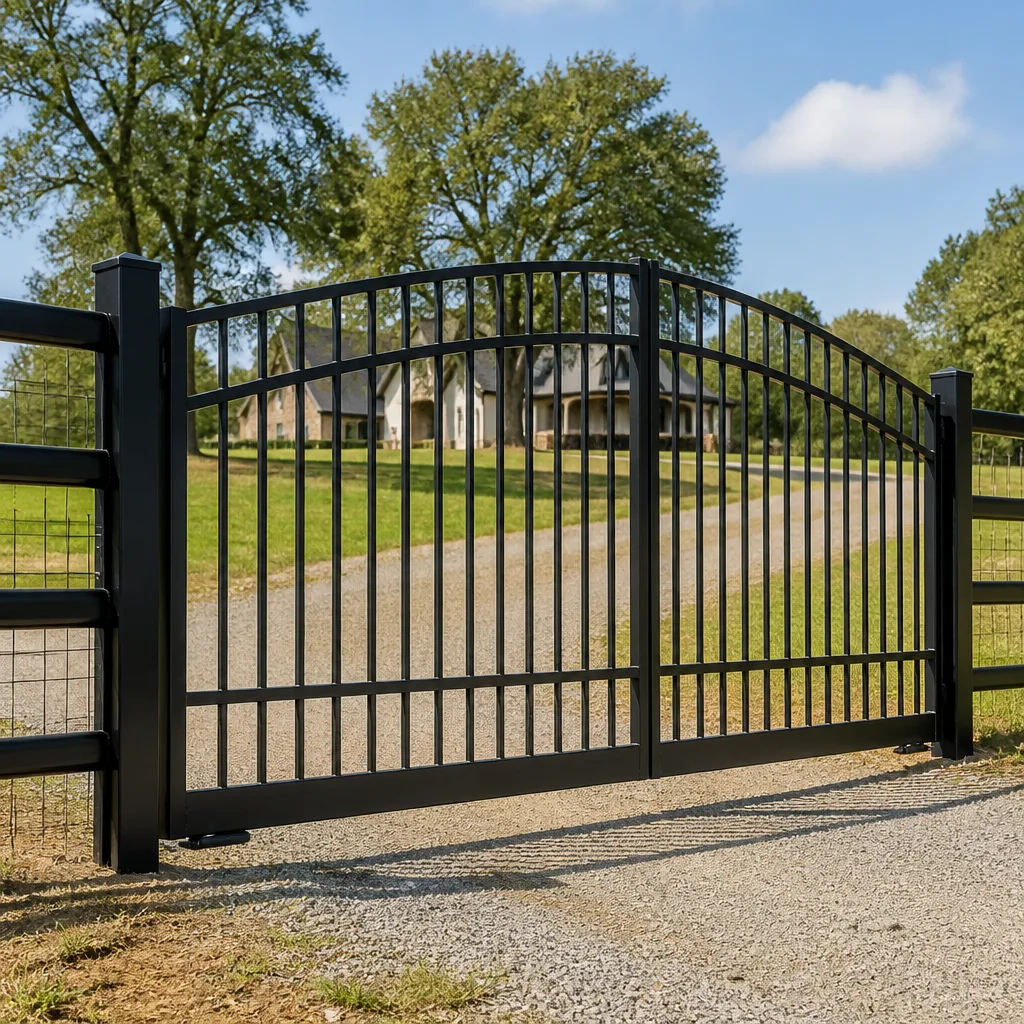 Farm & ranch
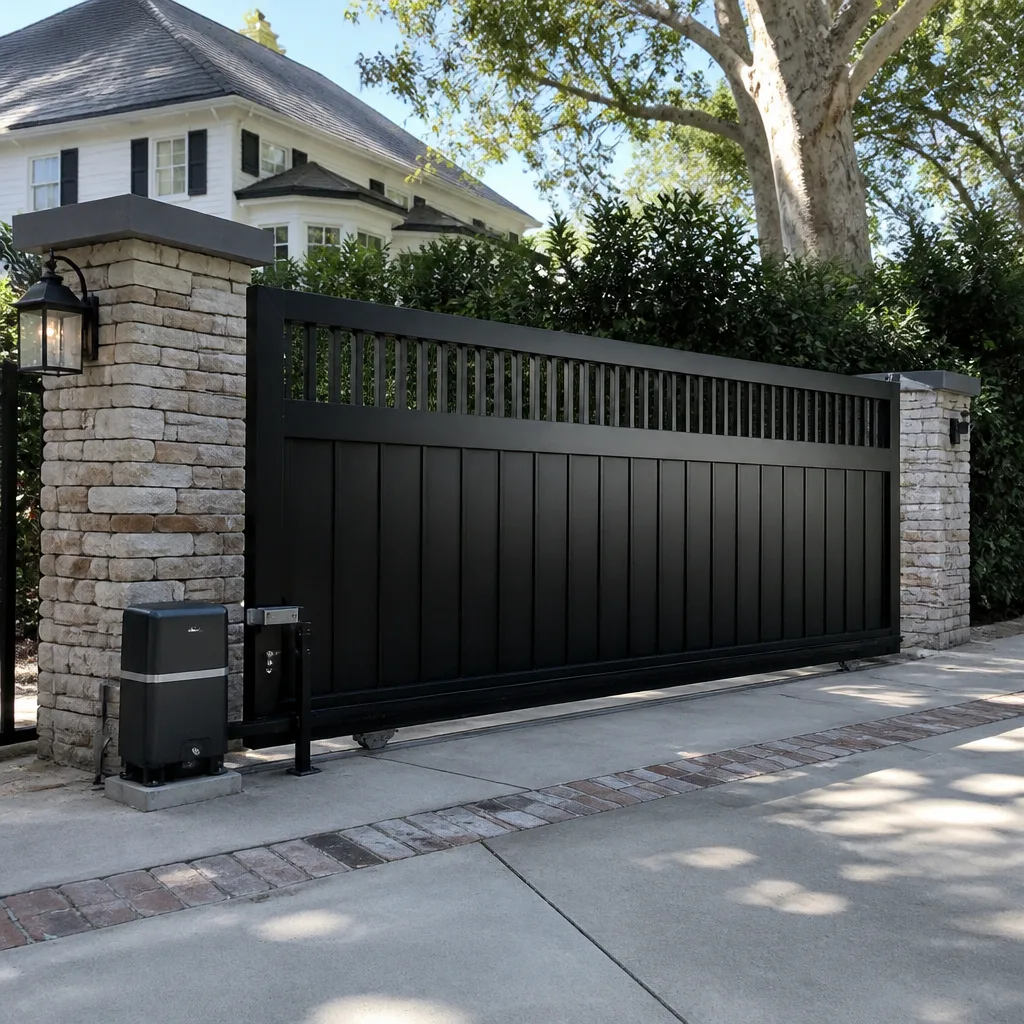 Sliding driveway gates
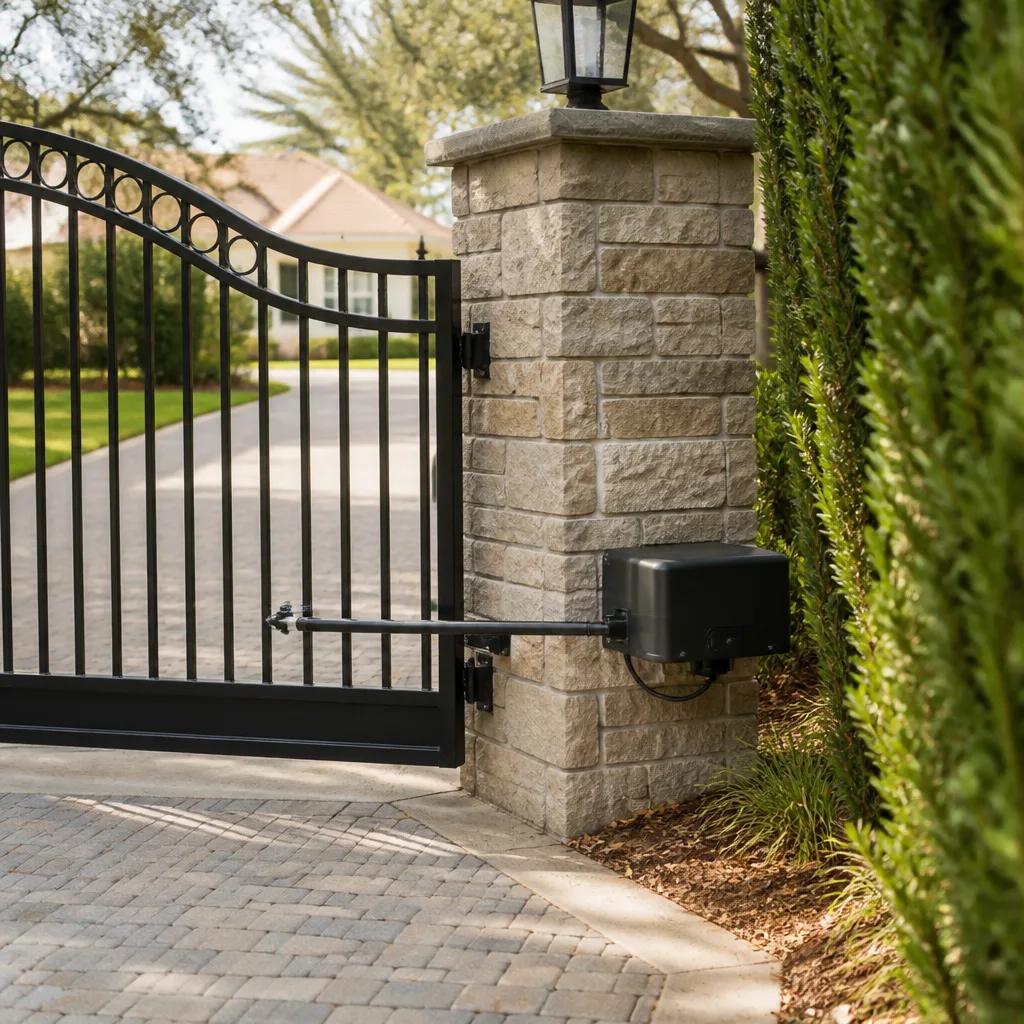 LiftMaster operators
Free on-site gate assessment - hinges, posts, and your LiftMaster or Nice gate operator checked before anything is quoted
The assessment is free and the quote is the invoice.
Get your free estimateGate Repair Permits, Codes & Inspections in FL: What You Need to Know
Here’s something most Jacksonville homeowners don’t realize until it’s too late: a gate repair that requires a permit but doesn’t get one doesn’t just risk a code violation. In Florida, unpermitted structural or electrical work can void the relevant portion of your homeowner’s insurance policy at exactly the moment you need it most. If a gate post fails and damages a vehicle, or an unpermitted electrical splice causes a fire, your insurer has grounds to deny the claim. This guide walks you through exactly which gate repairs in Jacksonville and Duval County trigger permit requirements, which ones don’t, and how to protect yourself before work begins. For hands-on help, our Gate Repair services team handles permitting start to finish.
Quick Answer
Most minor gate repairs in Jacksonville, Florida, including hinge replacement, wheel and track work, and control board swaps, require no permit at all. But once structural posts are replaced, footing work is involved, or a new electrical circuit is run to the operator, you’re into Duval County permit territory under the Florida Building Code. The trigger points are specific: structural alteration and new electrical work. Most repair-parts replacement is exempt.
Styles & brands we work with
Table of Contents
- The Florida Permit Framework: What the Building Code Actually Says
- Repair vs. Replacement: The Legal Distinction That Determines Everything
- When Structural Work Triggers a Permit in Duval County
- Electrical Gate Work: The Jacksonville Permit Threshold
- The HOA Layer: Gated Community Approval in Jacksonville
- Post-Repair Inspections: What They Cover and How to Prepare
- Contractor Permits vs. Owner-Builder: Why It Matters to You
- Common Mistakes to Avoid
- When to Call a Professional
- Frequently Asked Questions
The Florida Permit Framework: What the Building Code Actually Says
Florida operates under the Florida Building Code (FBC), now in its 8th Edition as of 2023, with local amendments adopted by Duval County and the City of Jacksonville through the Building Inspection Division. The FBC is clear about one thing: routine maintenance and minor repair do not require a permit. Section 105.2 of the FBC exempts “minor repair work” that does not affect structural integrity, egress, fire safety, or electrical systems. But the same section lists dozens of specific items that do require permits, and gate work falls into a gray zone that confuses both homeowners and contractors.
In Jacksonville specifically, the consolidated city-county government means one building department handles permits for the entire metro area. The Building Inspection Division reviews, permits, and inspects all work subject to the FBC. Their position on gates mirrors the state code: mechanical repairs to an existing gate system, such as replacing the opener arm, swapping a control board, or changing worn hinge bushings, are exempt from permitting. The department cares about what you’re changing, not what you’re fixing.
The distinction that matters for Jacksonville homeowners is this: the FBC treats a gate and its operator as two separate systems. The mechanical gate structure falls under building code. The operator, safety loops, and photo eyes fall under electrical code. Work on the mechanical side is usually exempt. Work on the electrical side is exempt only if it’s component replacement, not circuit modification. We see more confusion around this in Jacksonville’s older neighborhoods, like Avondale and Riverside, where pre-1970 homes often have non-conforming electrical work from decades past, and a new gate operator tied into that system can trigger a broader inspection requirement than the homeowner expected.
Repair vs. Replacement: The Legal Distinction That Determines Everything
The single most important concept for any Jacksonville homeowner facing gate work is the legal difference between repair and replacement. Under Florida code, repair is restoring something to its original function using equivalent materials and methods. Replacement is removing and installing something new, even if it’s identical. The permit implications are dramatically different.
Here’s how it breaks down in practice:
- Repair work (no permit needed): Welding a cracked gate frame member, replacing a bent hinge, adjusting a sagging gate leaf, swapping a failed capacitor on a control board, replacing a broken wheel on a sliding gate track. These actions restore function without altering the fundamental structure or the electrical circuit.
- Replacement work (permit may trigger): Cutting out and welding in new gate post sections, demolishing and repouring a post footing, changing a gate from swing to slide configuration, altering the height of the gate leaf, or running a new 120V circuit from the panel to a gate operator location.
The line isn’t always obvious. We’ve seen Jacksonville code inspectors interpret a full gate leaf swap as repair if the posts and footings remain untouched. But the same inspector will flag a gate leaf swap that changes the weight by more than 25% as an alteration, because the post footing capacity is now questionable. This is the kind of nuanced judgment call that comes from working in one jurisdiction long enough to know how specific inspectors read the codebook.
In our experience with gated properties in areas like Nocatee and San Marco, a good rule of thumb is: if the work touches concrete or electricity, assume a permit conversation is needed. If it only touches metal and existing wiring, you’re almost always in repair territory.
When Structural Work Triggers a Permit in Duval County
Structural gate work is where Duval County code enforcement gets serious about permits, and for good reason. In hurricane-prone Florida, a poorly anchored gate post isn’t just a cosmetic problem. It’s a projectile during a storm that can punch through a car, a house, or a person.
Here are the specific structural triggers for gate work in Jacksonville:
- New post installation. Digging and setting a new gate post with concrete requires a permit if the post is primary structural support for a gate leaf over 6 feet tall or wider than 8 feet. Smaller garden gates may be exempt, but most driveway gates exceed these dimensions.
- Post replacement due to rust or rot. In Jacksonville’s humid, salt-adjacent climate, steel gate posts fail from the inside out. Coastal neighborhoods like Atlantic Beach and Ponte Vedra see accelerated corrosion. Replacing a failed post means cutting it out, excavating the old footing, and pouring a new one. That’s structural alteration, and it requires a permit with a footing inspection.
- Footing enlargement. If you’re upgrading a gate from a lightweight aluminum leaf to a heavier steel or composite leaf, the existing footing may not have the mass or depth to resist overturning. Adding to the footing is structural work that falls under permit requirements.
- Gate height change. Raising a gate from 5 feet to 7 feet for security purposes changes wind-load calculations and sometimes triggers zoning review, depending on setback. Jacksonville zoning code (Chapter 656) regulates fence and gate heights in residential districts.
- Column reinforcement. Many larger Jacksonville estates have masonry columns flanking the gate leaf. If the column is cracked, leaning, or showing spalling concrete, repair work may involve doweling rebar and pouring new concrete, which is structural and permit-required.
The important nuance: a permit for structural gate work in Jacksonville typically costs between $75 and $250 based on project valuation, plus any impact fees if the work changes the impervious surface area. The inspection itself is usually a footing inspection before pour and a final inspection after completion. We’ve helped homeowners in Pinecrest and Ortega prepare for these inspections, and the process is straightforward when the paperwork is handled correctly from the start.
Electrical Gate Work: The Jacksonville Permit Threshold
Electric gate repair is the fastest-growing segment of our service calls in Jacksonville, and it’s also where permit confusion runs deepest. If you’re troubleshooting before calling, see our Gate Repair Troubleshooting: Common Problems and How to Fix Them. The Florida Building Code requires a permit for any new electrical circuit installation or modification to an existing circuit. Replacing a component on an existing circuit does not require a permit. The distinction is whether you’re touching the circuit wiring or just swapping a part on the end of it.
Here is the specific breakdown for electric gate work:
- No permit required: Replacing a failed control board (the main logic brain of the operator), swapping a burned-out transformer, installing a new remote receiver, replacing a faulty keypad, changing a safety photo eye, or replacing a worn actuator arm. All of these mount to existing wiring or plug into existing connections. This covers most automated gate repair scenarios for brands like Ghost Controls and Mighty Mule.
- Permit required: Running a new 120V power line from the house panel to the gate location, wiring a new low-voltage circuit for a second access point, installing a new vehicle detection loop that requires cutting into the driveway surface, or adding a battery backup system that ties directly into the electrical panel. These are circuit modifications, and JEA (Jacksonville Electric Authority) works in coordination with the Building Inspection Division on inspection sign-offs.
- Gray zone (we always verify): Replacing an entire operator unit when the new unit requires a different amperage circuit than the old one. A DoorKing operator pulling 8 amps replacing a Viking unit that pulled 4 amps may require a circuit upgrade, which requires a permit. This is where brand-specific familiarity matters. A technician who works on DoorKing and Elite systems daily knows the actual load requirements and can advise before you commit.
In Jacksonville’s older neighborhoods like Murray Hill and Springfield, electrical panels from the 1960s and 1970s often lack available breaker slots. A gate operator installation that triggers a panel upgrade then triggers a whole separate electrical permit with its own inspection. We flag this early so homeowners understand the full scope before any work begins.
The HOA Layer: Gated Community Approval in Jacksonville
Jacksonville has one of the highest concentrations of HOA-governed communities in Florida, and the HOA layer exists completely separate from municipal permitting. This is where even diligent homeowners get tripped up. The city may not care about your gate repair, but your homeowners association almost certainly does.
Most larger gated communities in Jacksonville, including the master-planned developments in the Southside and Northside, have architectural review committees (ARCs) that review any exterior change visible from the street. Gate work falls squarely into this category. Here’s what the HOA layer typically requires:
- Written approval before work begins. Most Jacksonville HOAs require an ARC application with photos, material specifications, and proposed dates. Approval can take 2 to 6 weeks, depending on the association’s board meeting calendar.
- Matching requirements. Many communities require that gate materials, colors, and profiles match existing standards across the neighborhood. This is especially true in newer developments with ornamental aluminum gates. A repair that changes the visual character of the gate, even slightly, often triggers ARC review.
- Contractor requirements. Some Jacksonville HOAs maintain approved-contractor lists. Even if your technician is perfectly qualified, if the company isn’t on the approved list, the work gets blocked. We’ve handled repair calls where the homeowner didn’t realize this until after the parts were ordered.
- Operator safety requirements. HOAs are liable for gate-related injuries on common property. Many require that any new gate operator installation include specific safety features: photo eyes, reversing edges, and audible alarms. These go beyond what the Florida Building Code requires, and it’s your job as the homeowner to know what your HOA demands.
The practical sequence for a big gate project in a Jacksonville HOA community is: HOA approval first, then city permit application, then work, then city inspection, then HOA final walkthrough. Skipping the HOA step doesn’t just create neighbor friction. It can result in fines, liens, or expensive rework if the ARC requires changes after the fact.
Post-Repair Inspections: What They Cover and How to Prepare
If your gate repair or installation does require a permit, the Duval County inspection process is the final hurdle. Most gate-related permits trigger two inspections: the footing inspection and the final inspection. Here’s a step-by-step walkthrough of how to prepare so you pass on the first visit.
Step 1: Verify the permit is posted. Duval County requires the permit card to be visible at the job site from the street. If the inspector arrives and the permit is posted inside the house or in the garage, the inspection fails immediately. This is the most common first-time failure we see in Jacksonville.
Step 2: Prepare for the footing inspection. If the permit includes new gate posts, the inspector will check the footing depth, the diameter, and the concrete reinforcing before you pour. Typical residential gate post footings in Jacksonville need to be 30 to 36 inches deep, depending on the gate weight and height. Coastal areas with sandy soil may require a deeper footing with bell-bottom reinforcement.
Step 3: Plan for the final inspection. The final inspection covers the complete assembly. The inspector will check: gate travel is smooth without binding, the gate opens and closes fully, safety features are operational, the operator shuts off on overload, photo eyes are mounted at the correct height and properly aligned, and any vehicle loops detect properly. We recommend homeowners run the gate 10 to 15 cycles the morning of the inspection to catch intermittent faults before the inspector does.
Step 4: Have the paperwork ready. The inspector may ask for the operator’s installation manual, the UL listing information, or the material specifications for structural components. Having these printed and available saves a follow-up visit.
The inspection itself usually takes 15 to 30 minutes for a standard gate. We’ve been through dozens of these in Jacksonville, from small residential gates in Mandarin to large commercial gates at warehouse facilities on the Northside. The process is predictable when the preparation is thorough.
Contractor Permits vs. Owner-Builder: Why It Matters to You
When a permit is required for gate work in Jacksonville, one of the most consequential choices comes before any work starts: who pulls the permit? There are two options, and the difference affects your liability, your insurance, and your legal exposure.
Contractor-pulled permit. A licensed contractor pulls the permit in their name and under their license. The contractor is legally responsible for the work meeting code. The inspection is scheduled by the contractor. The insurance implications are straight forward: the contractor’s general liability policy covers the work while in progress, and any defects that surface later fall back on the contractor’s workmanship obligations.
Owner-builder permit. The homeowner pulls the permit in their own name, acting as the general contractor. You are legally responsible for the work meeting code. You schedule the inspections. Your homeowner’s insurance is now on the line for any installation defects or workmanship failures. Florida courts have repeatedly held owner-builders strictly liable for code violations on work performed under their own permit.
The trap appears when a contractor asks the homeowner to pull the permit as owner-builder to “save time” or “keep it simple.” What’s actually happening is the contractor is avoiding the permitting paper trail that attaches to their license. If the work later fails inspection or causes damage, the homeowner is the one holding the legal bag. We always insist on transparent permitting. If our work requires a permit, we pull it in our name. If a homeowner prefers to pull an owner-builder permit, we walk them through exactly what that responsibility means before anyone touches the gate.
One more Jacksonville-specific point: the Building Inspection Division maintains a public database of permits and inspections. You can verify whether a permit was actually pulled and whether the inspection passed. This is worth checking before final payment on any project that required a permit.
Common Mistakes to Avoid
- Skipping the permit on a post replacement. A rusted-out gate post in Ponte Vedra or Atlantic Beach with salt-air corrosion is a structural failure waiting to happen. Replacing it without a permit means unwinding the work later if a home inspection flags it during a sale, and Jacksonville home inspectors do flag unpermitted structural work.
- Confusing HOA approval with city permitting. An ARC approval letter from your Jacksonville HOA is not a building permit. We’ve seen homeowners in Nocatee and Mandarin think one covers the other. It doesn’t. Both must be obtained independently.
- Letting a handyman run new electrical to the gate. A Jacksonville homeowner pays a handyman $400 to run a new circuit for a gate operator, no permit pulled, and six months later the wire insulation fails from UV exposure. The repair costs more than the original operator. Electrical runs need proper conduit and proper permits, and Florida law requires licensed electricians for this work.
- Replacing an operator without checking circuit amperage. Swapping a Mighty Mule unit for a heavier DoorKing or Elite operator without verifying the existing circuit can handle the load leads to tripped breakers, burned connections, and potentially a fire. This is a brand-specific technical issue that general repair people routinely miss.
- Changing gate height without checking setback requirements. Jacksonville zoning code regulates how close a 7-foot gate can sit to the property line. Bumping from 5 to 7 feet without checking can trigger a code complaint from a neighbor, and now you’ve got an open code case on a property you may want to sell someday.
- Paying in full before verifying the inspection passed. Some Jacksonville contractors collect final payment when the work is “done” but before the final inspection is signed off. If the inspection fails and the contractor ghosts, you’re paying someone else to fix it. Hold a portion of payment until the inspection record is green in the Duval County database.
- Ignoring vehicle loop requirements. Commercial gate properties in Jacksonville often have vehicle detection loops cut into the pavement. These are safety devices. If your gate repair includes a loop retrofit, it’s electrical work that belongs on a permit, and cutting concrete without pulling the permit is exactly the kind of thing that shows up in a pre-sale inspection.
When to Call a Professional
Most gate repair in Jacksonville doesn’t require a permit, but it nearly always requires a professional touch. A sliding gate that binds on its track, an operator that opens but won’t close, a keypad that works intermittently, a gate that reverses on its own: these are symptoms with multiple possible causes, from a failing capacitor to a misaligned photo eye to a dying control board. Diagnosing by brand-specific knowledge, not guesswork, is why factory-familiarity with Ghost Controls, DoorKing, Elite, and Mighty Mule matters. A technician who knows these brands can isolate the fault in one visit. For heavier structural and electrical work, professional help is essential: anything touching concrete, anything touching line voltage, anything involving the gate’s safety systems. Villa Gate Repair offers free estimates in Jacksonville. Call (877) 265-5090, and we’ll assess your gate, identify what needs permitting and what doesn’t, and give you a written plan before any work starts. For more on our core repair service, visit our Gate Repair in Jacksonville page.
Frequently Asked Questions
Most gate repairs in Jacksonville do not require a permit, including hinge replacement, wheel and track repair, control board replacement, and photo eye swapping. A permit is required when the work involves structural changes like post replacement or footing work, or electrical changes like running a new circuit. For electric gate specifics, see our Electric Gate Repair in Jacksonville page. Call (877) 265-5090 for a free assessment of your specific gate.
Gate-related permits in Duval County typically fall in the $75 to $250 range based on project valuation, with structural permits on the lower end and electrical circuit permits potentially higher if panel upgrades are involved. Exact fees are set by the Building Inspection Division’s fee schedule and depend on the scope of work. For a complete picture of your project costs, including whether you need a new gate rather than a repair, see our Gate Installation in Jacksonville page.
Yes. If your Jacksonville home is in an HOA-governed community, the association’s architectural review committee can block exterior changes, including gate repairs that alter the appearance or configuration of the gate. HOA approval is separate from city permitting, and both must be obtained independently for projects that require them.
Unpermitted structural or electrical gate work in Jacksonville can void the relevant portion of your homeowner’s insurance policy, trigger a code enforcement complaint, and become a liability during a home sale when inspectors flag it. Learn the early indicators in our Gate Repair Warning Signs: A Jacksonville Homeowner’s Reference Guide. The fix usually involves opening the permit retroactively, which means exposing completed work for inspection and possibly redoing non-conforming elements.
The contractor should pull the permit in their own name and under their license whenever a permit is required. This keeps legal and insurance responsibility with the licensed professional. Beware of any Jacksonville contractor who asks you to pull an owner-builder permit for their work; it shifts liability to you without you realizing the consequences.
Replacing a gate opener with an equivalent unit that plug into the existing circuit does not require a permit. If the new unit draws more amperage and requires a circuit upgrade, a permit is required. This is a common issue when upgrading from residential-grade operators like Mighty Mule to heavier commercial-grade units like DoorKing or Elite.
The Bottom Line
Jacksonville gate repair sits at the intersection of three rule sets: the Florida Building Code, the Duval County permitting process, and your HOA’s governing documents. The overwhelming majority of repairs, including most automated gate repair work, require no permit at all. But when structural posts are replaced, footings are poured, or new electrical circuits are run, the permit requirement is real, and ignoring it carries insurance and resale consequences that far outweigh the cost and hassle of doing it right. Know the distinction, verify your contractor is pulling permits in their own name, and keep the HOA in the loop from day one. For more on who we are and what we do, visit the Villa Gate Repair home page.
Written by the team at Villa Gate Repair, serving Jacksonville since 2012. Explore more guides & resources on our blog.
See the difference
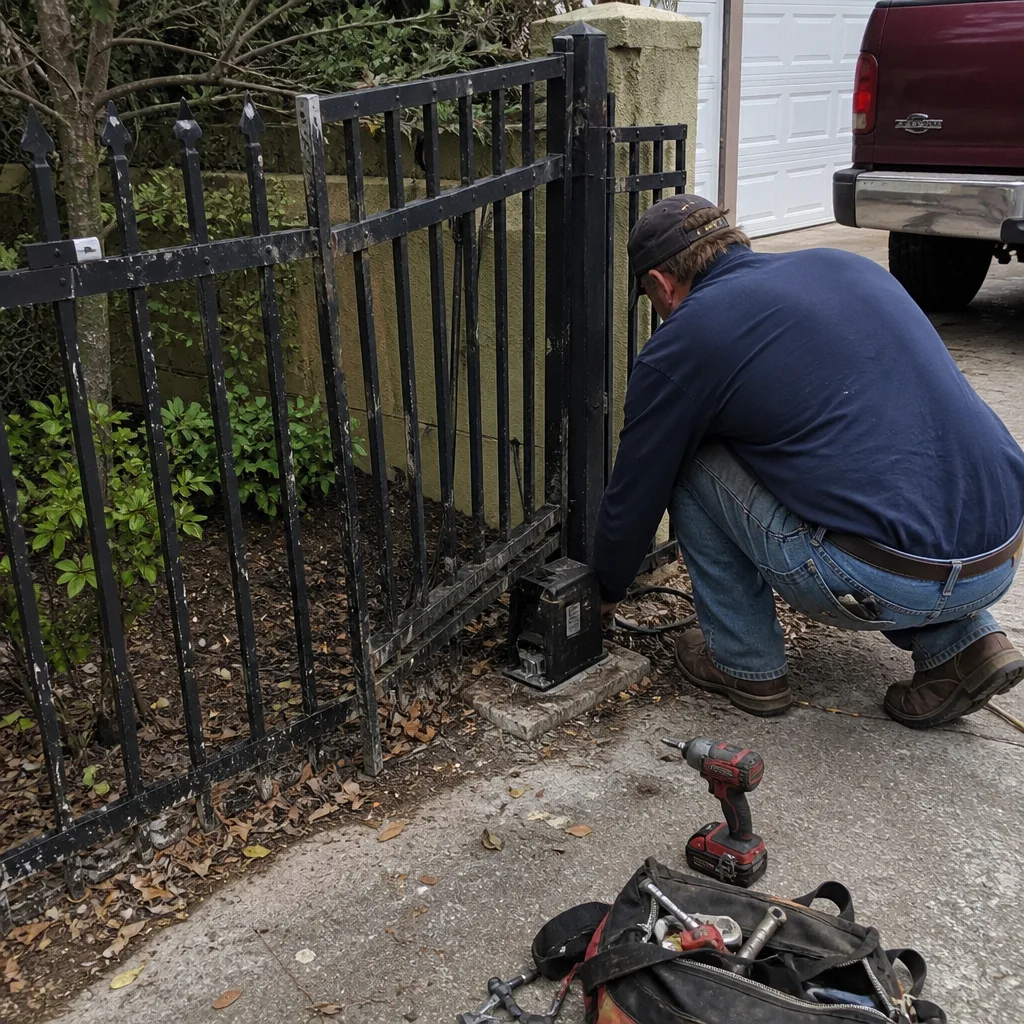 Before
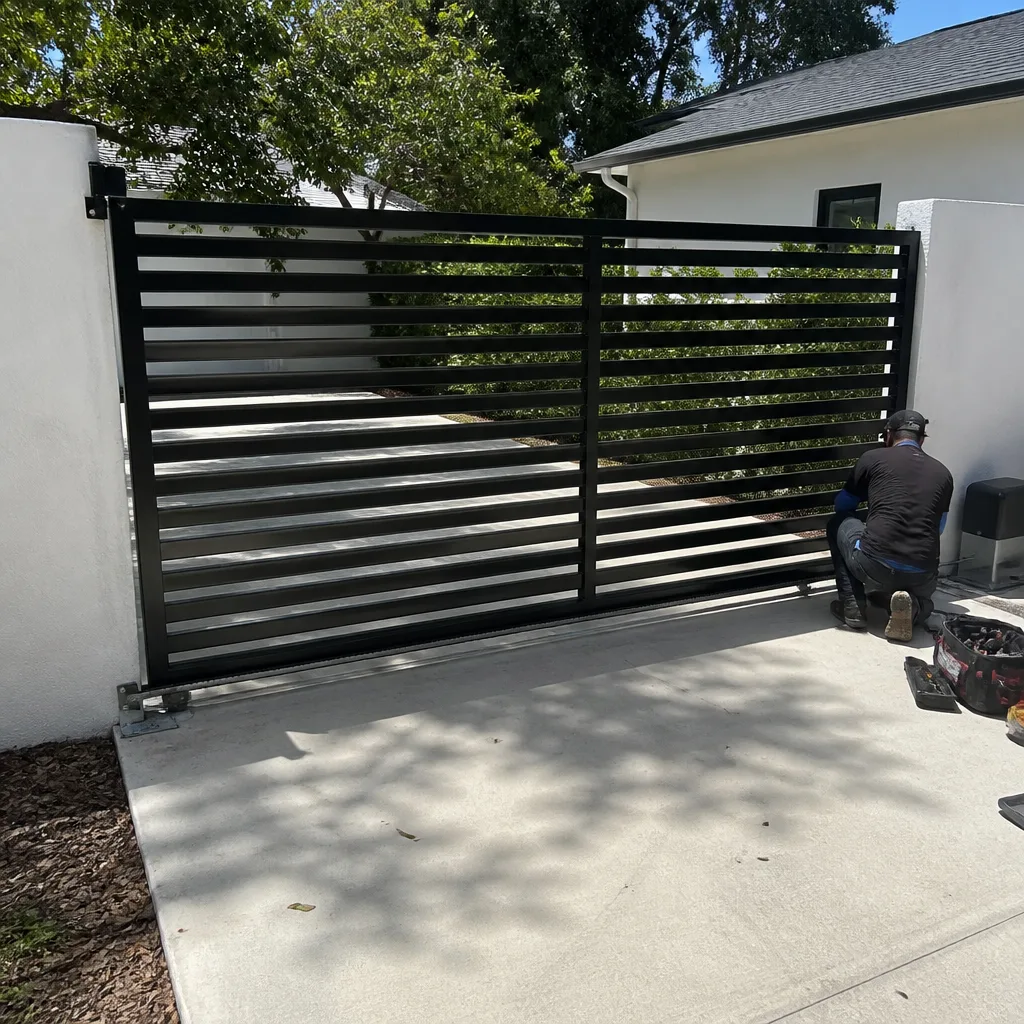 After
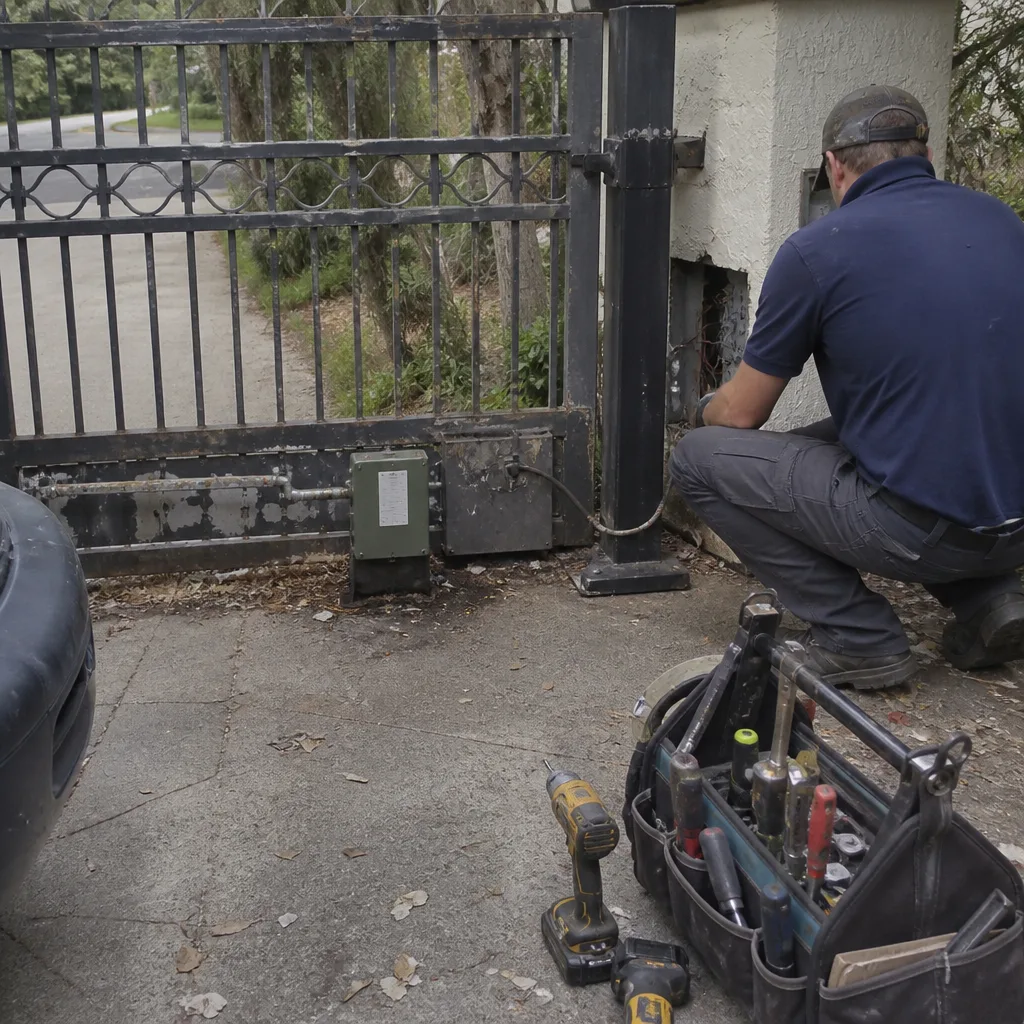 Before
 After
 Before
 After