Last updated October 30, 2026
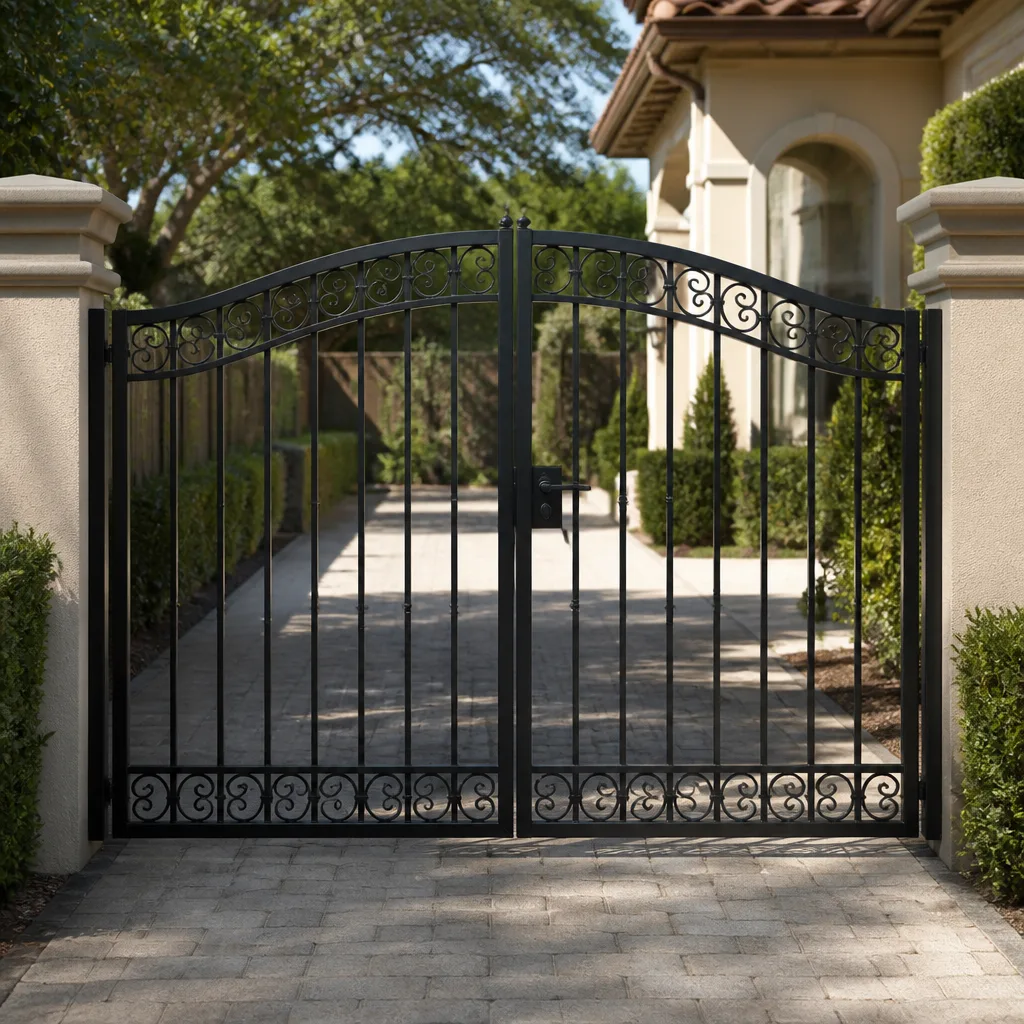 Wrought iron
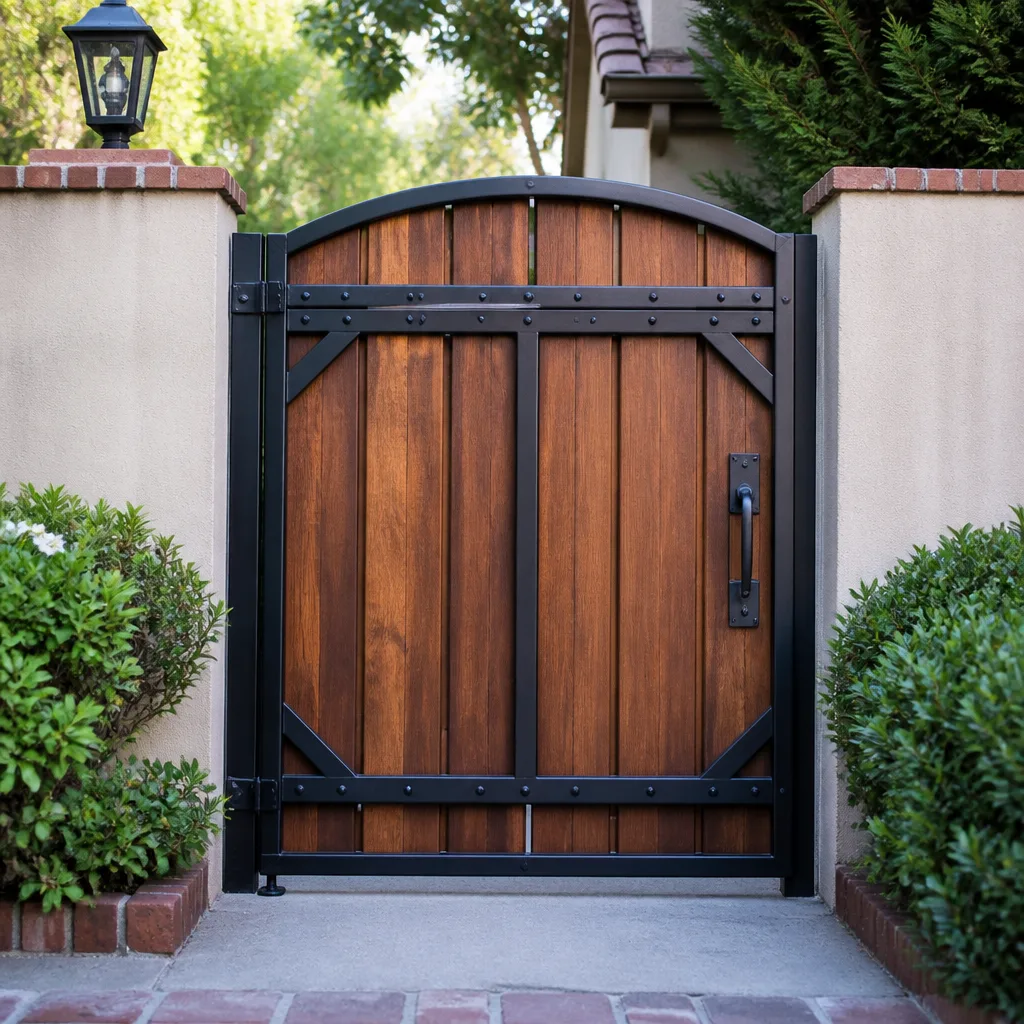 Wood & steel frame
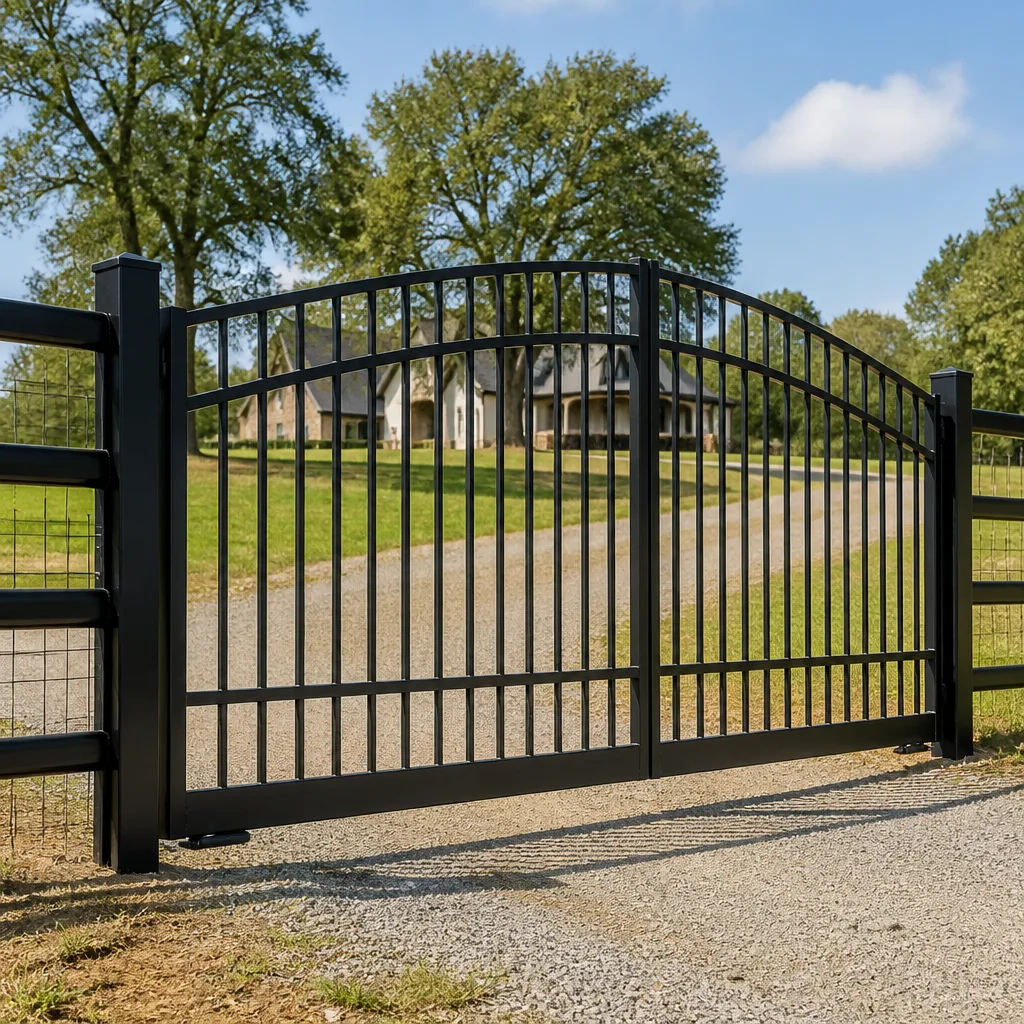 Farm & ranch
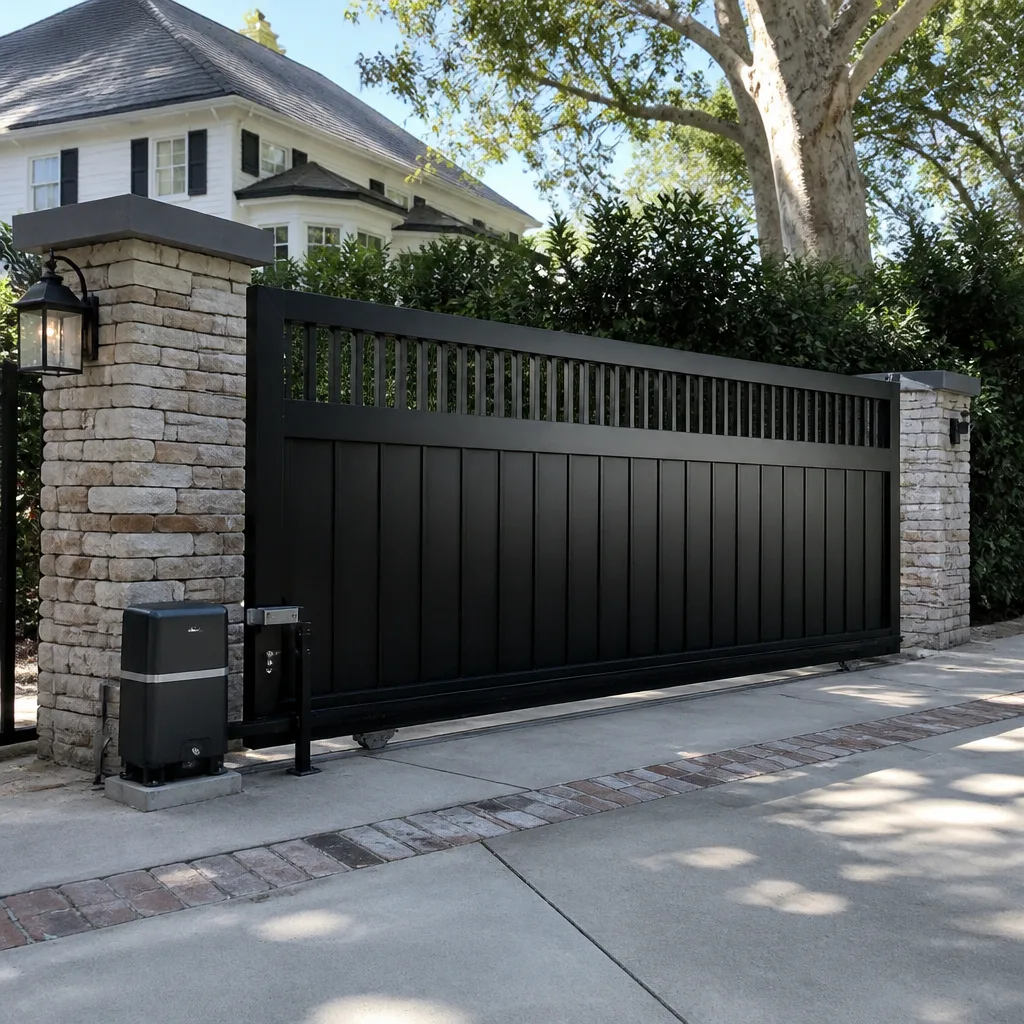 Sliding driveway gates
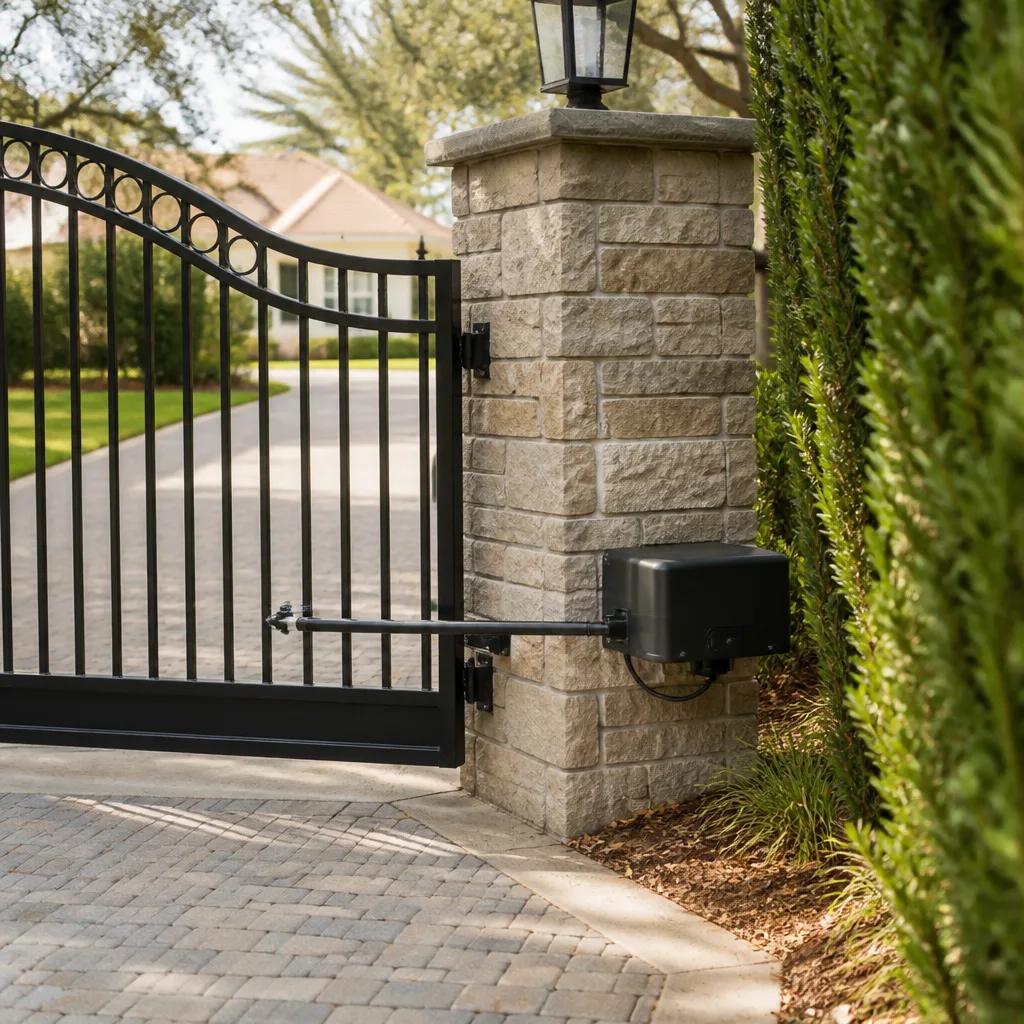 LiftMaster operators
Free on-site gate assessment - hinges, posts, and your LiftMaster or Nice gate operator checked before anything is quoted
The assessment is free and the quote is the invoice.
Get your free estimateGate Repair Warning Signs: A Jacksonville Homeowner’s Reference Guide
Here’s a counterintuitive truth from years of working on gates across Jacksonville: the most expensive repair bill you’ll ever face almost always started as a small, dismissible annoyance. A gate that hesitates for two seconds before moving isn’t “just slow.” In Jacksonville’s heat, that hesitation is typically the operator drawing excess current through a degraded capacitor, a $40 part that becomes a $600 motor failure if ignored for one more summer. This guide walks you through the warning signs that matter, what they actually mean, and which ones deserve immediate attention versus which can wait for a scheduled appointment. We’ll cover what we see in Mandarin, Ortega, San Marco, Riverside, and across the Beaches corridor, because Jacksonville’s climate creates its own set of gate problems you won’t find in a generic online checklist.
Quick Answer
The most common gate repair warning signs in Jacksonville are hesitation before movement, grinding or screeching during operation, sagging or misalignment at the hinge side, intermittent remote failure, and rust bleed lines at welds and joints. Any of these indicates the gate is working harder than it should be. Catching them early usually means a $150-$400 adjustment or part replacement; ignoring them often leads to a full operator or hinge rebuild costing $1,200 or more.
Styles & brands we work with
Table of Contents
- Sound Signs: What Your Gate Is Telling You
- Movement Signs: Hesitation, Sag, and Drift
- Visual Signs: Rust, Warp, and Weld Failure
- Electrical and Automation Signs
- Post-Storm Signs: What Jacksonville Weather Does to Gates
- Scheduled Repair vs. Same-Day Urgency: How to Decide
- Red Flags in Gate Repair Quality: When to Change Technicians
- Common Mistakes to Avoid
- When to Call a Professional
- Frequently Asked Questions
Sound Signs: What Your Gate Is Telling You
Gates are not silent machines, but they should be quiet in a predictable way. A healthy automated gate makes a consistent motor hum and a soft mechanical engagement when the arm or chain starts moving. When that sound changes, something is changing with it. Jacksonville homeowners often tell us they “got used to” a sound that we would classify as an early-stage failure signal. Here’s what specific sounds indicate.
- Grinding or metal-on-metal scraping: Usually means the gate has shifted on its hinges or the track has accumulated debris. In Jacksonville, oak pollen and fine sand from the beaches work their way into track channels and hinge pins. Left alone, this turns a $180 hinge adjustment into a full hinge replacement with possible gate frame damage.
- High-pitched squealing during operation: This is almost always a bearing or bushing that has lost lubrication or is failing entirely. On LiftMaster and Mighty Mule operators, a dry drive bearing will announce itself with a consistent pitch that changes when the ambient temperature rises. We hear this complaint most often in July and August.
- Repeated clicking with no movement: On automated gates, this is the control board signaling a fault. Sometimes it’s a tripped safety loop or a misaligned sensor. Other times it’s the board itself failing. Don’t keep pressing the remote to “reset” it by repetition; that just masks the symptom while the underlying cause gets worse.
- A single loud bang when the gate starts moving: This is typically the gate breaking free of a sticking point. It could be a warped hinge, a track obstruction, or an operator arm that’s out of alignment. A gate that bangs on startup is already damaging its own motor with every cycle.
Sound is the earliest warning system you have. If the gate sounds different than it did six months ago, that difference itself is the warning sign, even if nothing has visibly failed yet. For a deeper look at what specific sounds mean on different gate types, see our Gate Repair in Jacksonville guide.
Movement Signs: Hesitation, Sag, and Drift
Movement problems are the most common reason Jacksonville homeowners call us, and they’re also the most commonly ignored before the call becomes urgent. A gate that moves in a way it didn’t before is telling you something specific about its mechanical or electrical health.
Hesitation Before Movement
When you press the remote or keypad and the gate takes two, three, or four seconds before it begins moving, that delay is not normal. In our experience across Jacksonville, the most common cause is a failing capacitor in the operator. The capacitor stores the electrical charge needed to start the motor. In Florida heat, capacitors degrade faster than in cooler climates. The fix is simple and inexpensive when caught early. Left unaddressed, the motor draws more and more current through the failing capacitor, which overheats the windings. The result is a motor replacement that costs six to eight times more than the capacitor would have.
Sagging at the Free End
A cantilevered gate or a swing gate that visibly droops at the latch end is a structural warning sign. This indicates the hinges or the gate post has been compromised. In Jacksonville, wood fence posts rot below grade due to our high water table and humidity. Steel posts can rust from the inside out. When a gate sags, the latch no longer aligns correctly, which means the gate doesn’t fully close, which means the lock doesn’t engage. That’s a security issue, not just a cosmetic one.
Drift or Slow Creep After Stop
If the gate stops, then visibly drifts a few inches in either direction, something is out of balance. On automated gates, this is often an operator limit switch issue or a chain that has stretched beyond spec. On manual gates, it’s usually a post that has shifted. Either way, drift is the gate telling you it no longer holds position correctly. This is a warning sign that the gate is working its way toward a hard stop failure, where the gate won’t close at all or slams into the stops.
Variable Speed During Travel
A gate that moves quickly, then slowly, then quickly again during a single cycle is not behaving normally. This can indicate electrical issues, a failing gear in the operator, or physical binding at a specific point in the track. Pay attention to where the slow point happens. If it’s always in the same spot, that spot is where the obstruction or wear exists.
Visual Signs: Rust, Warp, and Weld Failure
Jacksonville’s climate is aggressive on metal. Salt air from the Atlantic and the Intracoastal, combined with humidity that rarely drops below 60 percent, means gates in Jacksonville face more corrosion pressure than gates in most of the country. Visual inspection is simple and takes two minutes. Here’s what to look for.
Rust Bleed Lines at Welds and Joints
When you see reddish-brown staining running down from a weld point, a hinge bracket, or a bolted connection, that’s not “normal weathering.” It’s active corrosion working its way into the metal. Weld points are the most vulnerable because welding changes the metal’s grain structure and can create tiny crevices where moisture accumulates. A rust bleed line means water is getting into a space it shouldn’t be. In Jacksonville, this is often the first visible sign that a gate is structurally compromised at a connection point. The fix is grinding, treating, and resealing the area, or replacing the bracket entirely. Left alone, the rust will eventually fail the weld or bolt and the gate will drop or sag critically.
Sun-Warped Control Box Lids or Panels
Florida sun does specific things to plastic and thin-gauge metal. Control box lids on automated gates warp when they’re exposed to direct afternoon sun. A warped lid may not seem important, but it allows moisture to enter the control box. That moisture corrodes circuit board contacts, terminal strips, and relay connections. If your control box lid doesn’t sit flush anymore, or if you can see gaps around the edges, that’s a warning sign that the electronics inside are at risk. Replacing the lid or relocating the box to a shaded position is a simple preventive step.
Hairline Cracks at Hinge Points or Gate Frame Corners
Metal fatigue shows up as fine cracks before it shows up as catastrophic failure. Check the corners of the gate frame, the hinge plates, and the operator mounting bracket. In Jacksonville’s heat-expansion and cool-moisture cycle, metal gates expand during the day and contract at night. Over years, this cycling creates stress fractures at stress-concentrated points. A hairline crack is a warning sign that the metal is nearing its fatigue limit. The repair is welding and reinforcement when caught early; it’s a gate replacement when the crack propagates.
Debris Patterns in the Track
For sliding gates, the track itself is a diagnostic tool. If debris accumulates consistently in one section of the track, that section is where the gate is dragging or where drainage is poor. Fine gray sand, common near the beach communities from Atlantic Beach down to Ponte Vedra, acts as an abrasive in the track. A gate running over sanded track wears its rollers faster. Clean the track regularly and watch where debris collects. That pattern tells you where the gate is working hardest.
Electrical and Automation Signs
Electric gate repair is the part of gate service most general handymen won’t touch, and it’s the part where signs are most likely to be misread. Jacksonville homeowners with automated gates from DoorKing, Elite, LiftMaster, or Mighty Mule should understand what these electrical symptoms indicate.
Intermittent Remote or Keypad Failure
A remote that works “sometimes” is not a remote problem. It’s a receiver problem, a control board problem, or an antenna problem. The most common culprits are corroded antenna connections, a failing receiver module, or interference from a new radio source in the area. Jacksonville’s coastal humidity accelerates corrosion on any exposed electrical connection. If the remote works close to the gate but not at a distance, that’s an antenna or receiver issue. If it works sometimes and not others from the same position, that’s likely a failing receiver or a cold solder joint on the board, often from heat cycling.
Gate Reverses for No Apparent Reason
A gate that starts to close, then reverses, is triggering a safety input. It could be a misaligned photo eye, a failing safety loop, or a genuine obstruction. The important diagnostic question is whether it reverses consistently or intermittently. Consistent reversal means something is actually in the path or the photo eye is permanently misaligned. Intermittent reversal often points to a failing safety loop sensor in the driveway. In Jacksonville’s sandy soil, loop wires corrode and break over time. A broken loop tells the control board that a vehicle is present when there isn’t one, and the gate refuses to close.
Control Board Error Codes or Flashing Lights
Most modern gate operators communicate through diagnostic lights or small displays. If your operator has a blinking LED pattern or shows a code, don’t ignore it because the gate “still works.” That code is an early warning. Each brand has a specific code language. DoorKing uses numbered error codes. LiftMaster uses blinking patterns. Mighty Mule uses beep-and-light sequences. Knowing your brand’s code language helps, but the bigger point is simpler: any displayed fault is worth a call. For brand-specific insight into automation systems, see our Electric Gate Repair in Jacksonville page.
Operator Runs Hot to the Touch
After normal use, an operator housing may be warm. It should not be hot enough to make you pull your hand away. An overheating operator is drawing more current than it should. The cause is usually mechanical binding somewhere in the system that forces the motor to work harder. That binding might be a dry roller, a sagging gate, a debris-choked track, or internal gear wear. In Jacksonville’s summer, an already-hot operator in direct sun can reach failure temperature quickly. If the housing is too hot to hold comfortably, the motor is in distress.
Post-Storm Signs: What Jacksonville Weather Does to Gates
Jacksonville gets afternoon thunderstorms from June through September, plus the occasional tropical system. After heavy weather, homeowners walk their property looking for obvious damage: fallen trees, missing shingles, standing water. Gates get a quick visual glance, and most post-storm gate damage gets dismissed as “fine.” Here’s what actually happens to gates in Jacksonville storms and what to look for afterward.
Wind-Driven Water Intrusion
A driving rain from the east pushes water into places normal rain doesn’t reach. On automated gates, that’s the control box, the motor housing, and electrical connections. After a storm, if your gate operates erratically, fails to open, or the keypad is sluggish, water has likely entered somewhere it shouldn’t have. The fix is drying out the affected components and sealing the entry point. Delaying this allows corrosion to take hold permanently.
Impact Damage to Gate Alignment
Flying debris or a vehicle sliding in wet conditions can hit a gate hard enough to knock it out of alignment without leaving obvious impact marks. If your gate was fine before the storm and now drags, sticks, or doesn’t close fully, the post or hinges have shifted. This is structural, not cosmetic. A gate that shifted out of alignment is putting stress on its operator with every cycle. Get it corrected before the operator fails.
Erosion Around Gate Posts or Track Bed
Heavy rain moves soil. In Jacksonville neighborhoods with any slope, like parts of Mandarin and along the river, storm runoff can erode the ground around gate posts or under the track bed of a sliding gate. A post that has lost soil support will lean, and a leaning post changes the geometry of the entire gate. Check for fresh gaps around posts after any major storm. Also check that the track bed hasn’t washed out underneath, which creates a void the track can sag into under the gate’s weight.
Lightning Effects on Control Boards
Lightning strikes don’t always hit the gate directly. A strike on nearby power lines or a tree sends a surge through the electrical system. Gate control boards are sensitive to surge damage. After a lightning-heavy storm, if your gate’s behavior changes, even slightly, the control board may have been damaged. Symptoms include unresponsive remotes, the gate not stopping at the correct position, or the operator clicking without the motor engaging. Surge protection is available and worth adding if your property is exposed.
Scheduled Repair vs. Same-Day Urgency: How to Decide
Not every warning sign is an emergency. Knowing which symptoms demand immediate attention and which can wait a few days for a scheduled appointment saves you money and stress. Here’s a practical framework for Jacksonville homeowners, with seasonal gate repair care for Jacksonville in mind.
Same-Day Attention Warranted
These symptoms indicate an active security risk or an imminent mechanical failure.
- The gate will not close and cannot be manually secured. An open gate with no way to secure it means your property is accessible. This is a security issue first and a mechanical issue second.
- The gate is moving erratically or reversing unpredictably. This creates a safety hazard for people, vehicles, and pets. An automated gate that doesn’t behave predictably should be shut down until it’s repaired.
- A loud bang or grinding sound followed by the gate dropping or sagging visibly. This indicates a structural failure has already occurred. The gate may fall further, causing damage or injury.
- Smoke or a burning smell from the operator. This is an active electrical fault. Shut the system down at the breaker and call immediately.
Scheduled Repair Acceptable
These symptoms are warnings, not failures. A scheduled appointment within the week is appropriate.
- Minor hesitation on startup. The gate still moves; it’s just a little slow to start. This is a warning sign, not a failure. Address it soon, but it doesn’t require a same-day response.
- A new sound that’s consistent but not grinding or banging. A slight squeak or a change in pitch is an early sign. It can wait for a scheduled call.
- Rust bleed lines with no structural movement. If the gate still moves correctly and holds its position, rust treatment can be scheduled.
- Intermittent remote failure that resolves with a second press. Annoying, yes, but not a security emergency unless the gate fails to operate entirely.
The closer you are to the Beaches, the faster corrosion progresses, so lean toward sooner rather than later on anything rust-related. Salt air accelerates every corrosion timeline.
Red Flags in Gate Repair Quality: When to Change Technicians
Not every gate repair is a good repair. We’ve been called to Jacksonville homes where a previous repair created a new problem. Here’s what separates quality gate work from work that will cost you more later—see also our guide on how to hire a gate repair contractor in Jacksonville.
The Technician Doesn’t Know Your Brand
Gate automation is brand-specific. A technician who services DoorKing gates all day may not understand the specific programming and diagnostic patterns of a BFT or Viking system. If a technician arrives and starts guessing at your operator’s fault codes, that’s a red flag. Villa Gate Repair technicians are factory-familiar with nine major gate brands including LiftMaster, FAAC, BFT, Linear, Viking, Ghost Controls, DoorKing, Elite, and Mighty Mule. That brand familiarity means diagnostics go faster and the fix is usually right the first time.
“It’s Cheaper to Replace Than Repair” Without a Specific Reason
Sometimes replacement is the right call. A gate that’s rusted through at multiple structural points or an operator with a failed motor and control board simultaneously might not be worth repairing. But a blanket statement that replacement is always cheaper is a sales tactic, not a diagnosis. A quality technician can tell you exactly why the repair doesn’t make sense, with specific numbers.
No Discussion of Preventive Measures
A gate repair should include a conversation about what caused the failure and how to prevent it from recurring. If the technician fixes the symptom and says nothing about the cause, they’re setting you up for a repeat visit. Good gate repair in Jacksonville always includes attention to the environmental factors: corrosion protection, drainage, and surge protection.
Quotes That Change After Work Begins
The price you agree to before work starts should be the price you pay, unless new, genuinely unexpected problems are discovered and you approve the change before work continues. A technician who discovers “additional issues” after the gate is disassembled and quotes a higher number without solid explanation is not working in your interest. Villa Gate Repair quotes prices upfront and confirms with you before any additional work proceeds.
No Knowledge of Jacksonville’s Specific Conditions
A technician from a generic handyman service may have never worked on a gate that sits in salt air and 90 percent humidity. Gate repair in Jacksonville has specific requirements: marine-grade fasteners in coastal areas, proper drainage for track beds in sandy soil, and surge protection for our lightning patterns. A technician who doesn’t ask about your location relative to the water doesn’t understand what your gate is up against.
Common Mistakes to Avoid
- Ignoring a new sound because “it still works.” The sound is the warning. By the time the gate stops working, the repair bill has multiplied several times over. Sound is the earliest and cheapest warning sign you’ll ever get.
- Lubricating everything with household oil or WD-40. Household lubricants attract dust and sand. In Jacksonville, that means your track becomes an abrasive paste. Use lubricants specified for gate components, and first clean off existing debris. Applying the wrong product to a squeaky roller just masks the sound while the bearing continues to fail.
- Adjusting hinges or operator limits yourself without understanding the system. Gates are heavy. Automated gates are heavy and connected to motors. A wrong adjustment can cause the gate to fall, run off its track, or fail catastrophically under power. If you’re not sure what you’re adjusting, don’t adjust it.
- Ignoring rust because “it’s just surface rust.” Surface rust in Jacksonville doesn’t stay surface rust for long. Our humidity and salt air drive corrosion into the metal quickly. A small rust spot is a cheap fix. A rusted-through frame member is a replacement.
- Pressing the remote repeatedly when the gate doesn’t respond. Repeated signal-sending doesn’t help anything and can overheat a struggling motor or confuse the control board. One press, observe, then troubleshoot. Repeated attempts mask the real symptom.
- Fixing the symptom without addressing the cause. A gate that needed a new capacitor this year and a new motor next year probably didn’t need either if the underlying binding issue had been corrected the first time. Ask your technician what caused the failure, not just what broke.
When to Call a Professional
Call a gate professional when you notice any consistent change in how your gate sounds, moves, or responds. That list includes hesitation on startup, new noises, visible rust at connection points, sagging, drift, intermittent remote function, and any behavior change after a major storm. Also call if your gate has become unpredictable in a way that creates a safety concern for vehicles, children, or pets. Automated gates involve high-tension components and electrical systems. Attempting a DIY repair on the operator or structural brackets without proper training can cause serious injury. Villa Gate Repair offers free estimates in Jacksonville. Call (877) 265-5090 to schedule an evaluation. If you’re considering a replacement rather than repair, see our Gate Installation in Jacksonville options.
Frequently Asked Questions
Gate repair in Jacksonville generally ranges from $150 to $750 for typical mechanical adjustments and part replacements, with full operator replacements running $900 to $1,800 depending on the brand and automation features. The exact cost depends on what failed and why. A hinge adjustment is cheap; a motor replacement is not. Call (877) 265-5090 for an exact quote. Estimates are free, and we confirm pricing before any work starts.
The first signs of gate failure are hesitation before movement, a change in the gate’s sound during operation, slight sagging at the free end, and intermittent remote or keypad failures. These symptoms appear before anything actually breaks. Catching the gate at this stage usually means a minor repair, not a major one.
For urgent security or safety issues, same-day availability exists but should not be assumed for every service. If your gate will not close or is moving unpredictably, call (877) 265-5090 and explain the specific symptom. We’ll tell you honestly whether it’s a same-day situation or a scheduled repair, and we’ll quote the price before any work begins.
A well-maintained steel gate in Jacksonville typically lasts 12 to 20 years, but our climate demands more attention than inland areas. Salt air near the beaches and river corridors accelerates corrosion, and humidity-driven rust shortens the life of untreated steel. Regular inspection of welds, hinges, and electrical connections adds years to a gate’s useful life, especially in coastal neighborhoods like Atlantic Beach, Neptune Beach, and San Pablo.
Manual gate repair addresses the mechanical side: hinges, posts, weld points, alignment, latch hardware, and track systems. Electric gate repair addresses the automation side: motors, control boards, remote systems, safety loops, photo eyes, and limit switches. Villa Gate Repair handles both. Our Electric Gate Repair in Jacksonville page covers automation issues in depth.
It depends on where the gate is failing. If the frame and posts are structurally sound, repairing the operator or hardware usually makes financial sense. If the frame is rusted through at multiple points or the track bed is compromised, replacement may be the better investment. We’ll give you an honest assessment of both options without pushing toward a particular brand. Our business model is brand-agnostic: we fix what’s there rather than selling you a replacement you don’t need. Call (877) 265-5090 for a free evaluation.
The Bottom Line
Gates in Jacksonville fail gradually, not suddenly. The warning signs are there, and they’re specific: a sound that changed, a hesitation that didn’t exist before, a rust line at a weld, a remote that works only sometimes. Each sign corresponds to a specific cause, and each cause has a window of opportunity where the fix is measured in hundreds of dollars instead of thousands. Pay attention to the signs. Address them early. And when you need a gate professional, choose one who knows gates specifically, not a generalist who squeezes gate work between other jobs. Villa Gate Repair is a gate-only specialist, factory-familiar with the brands on your property and focused on nothing else.
Written by the team at Villa Gate Repair, serving Jacksonville since 2012. Explore more guides & resources.
See the difference
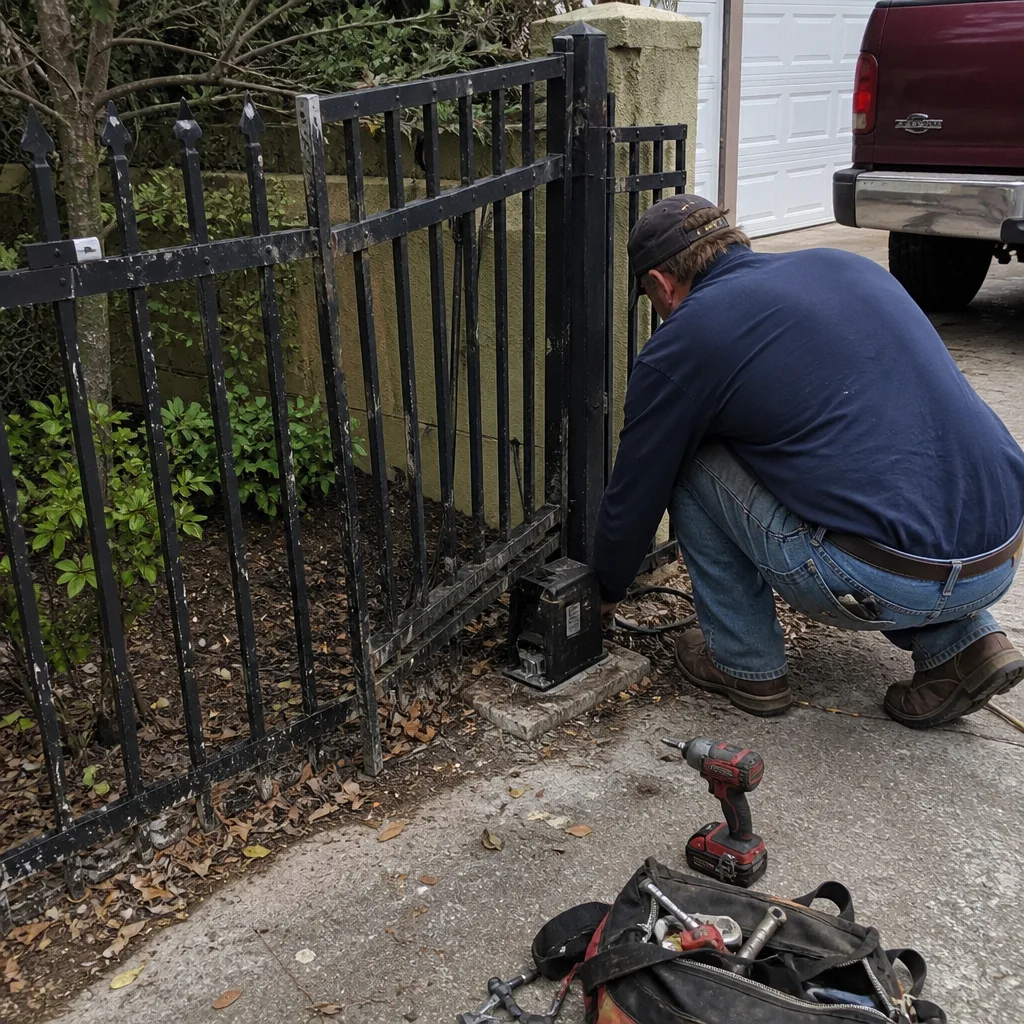 Before
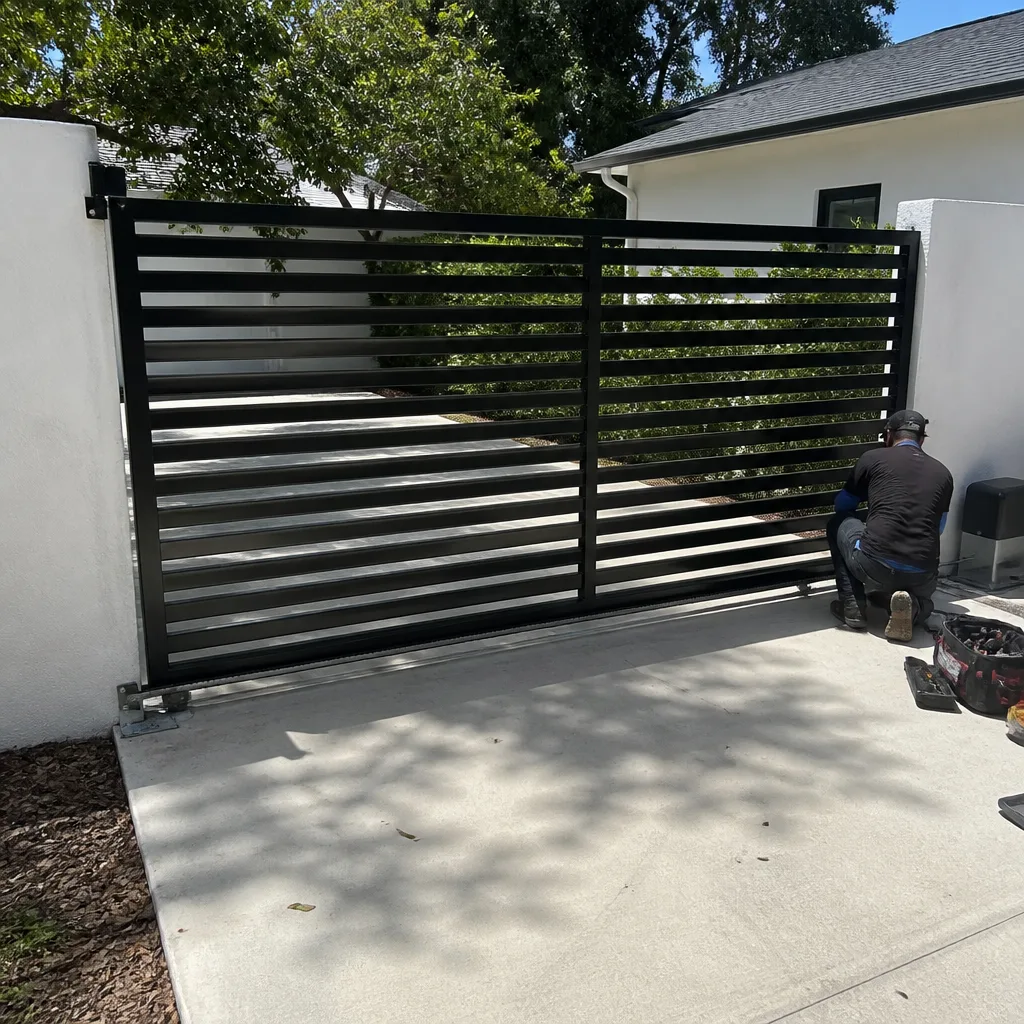 After
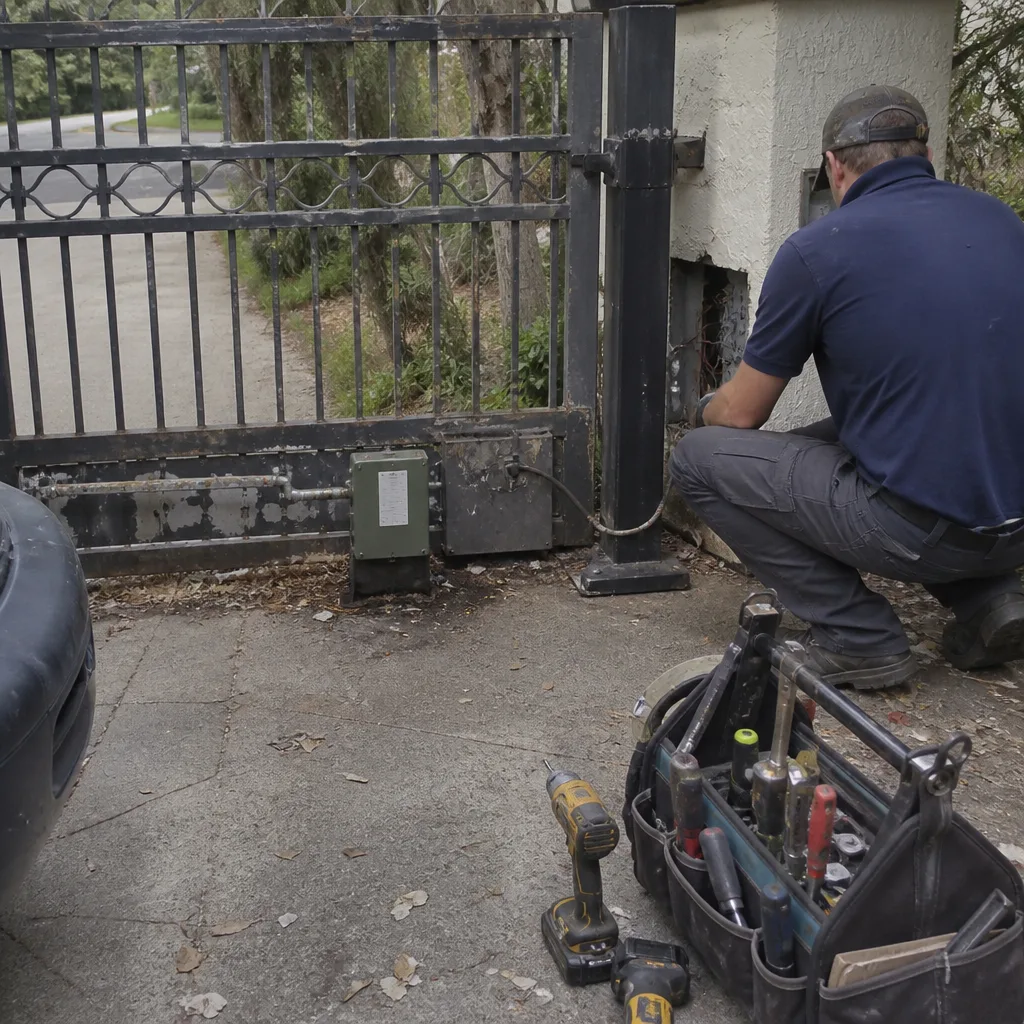 Before
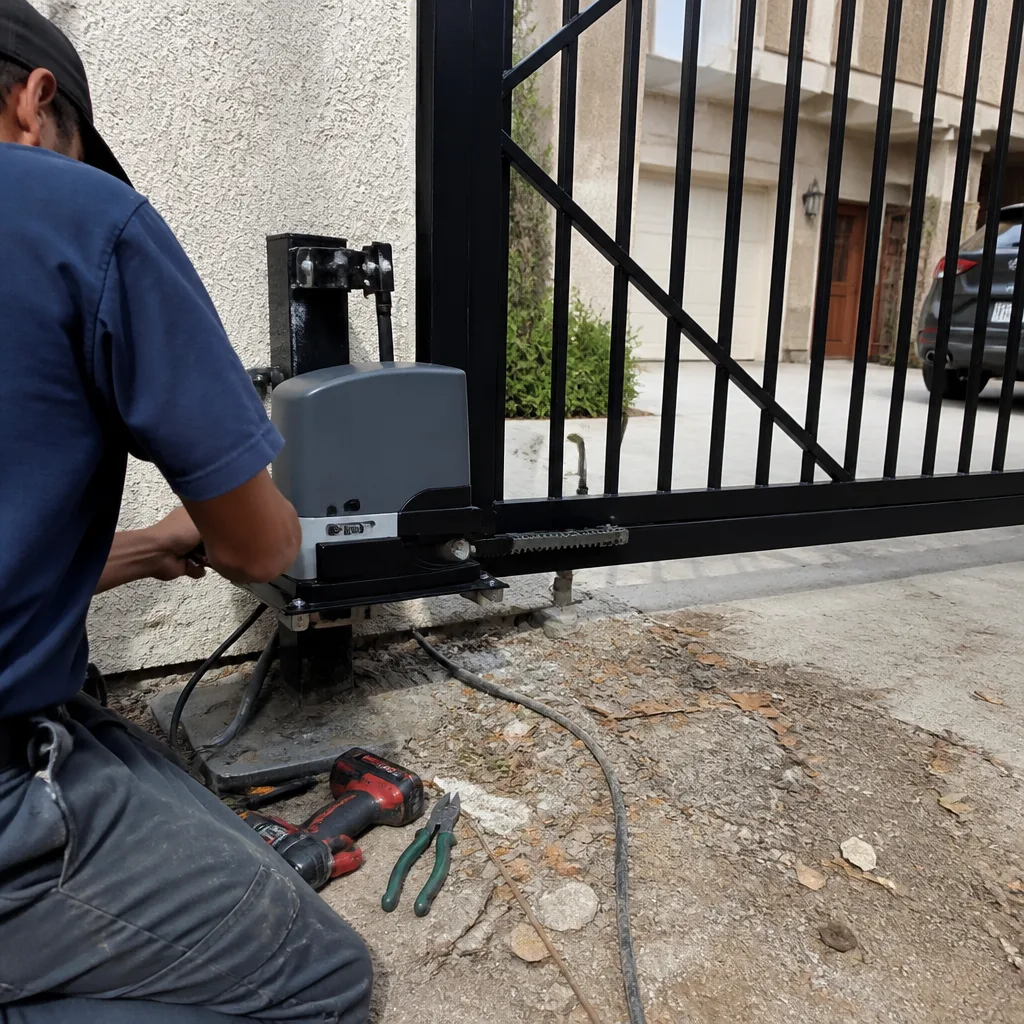 After
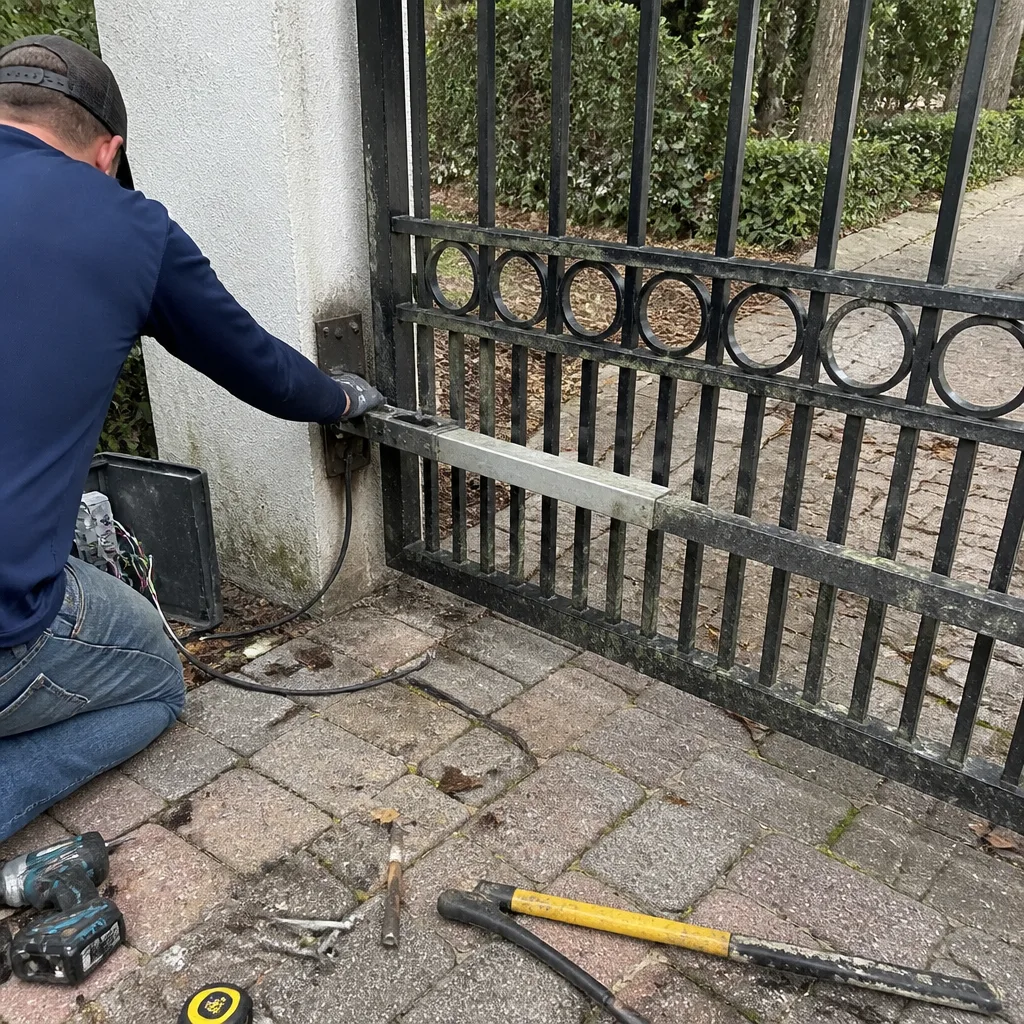 Before
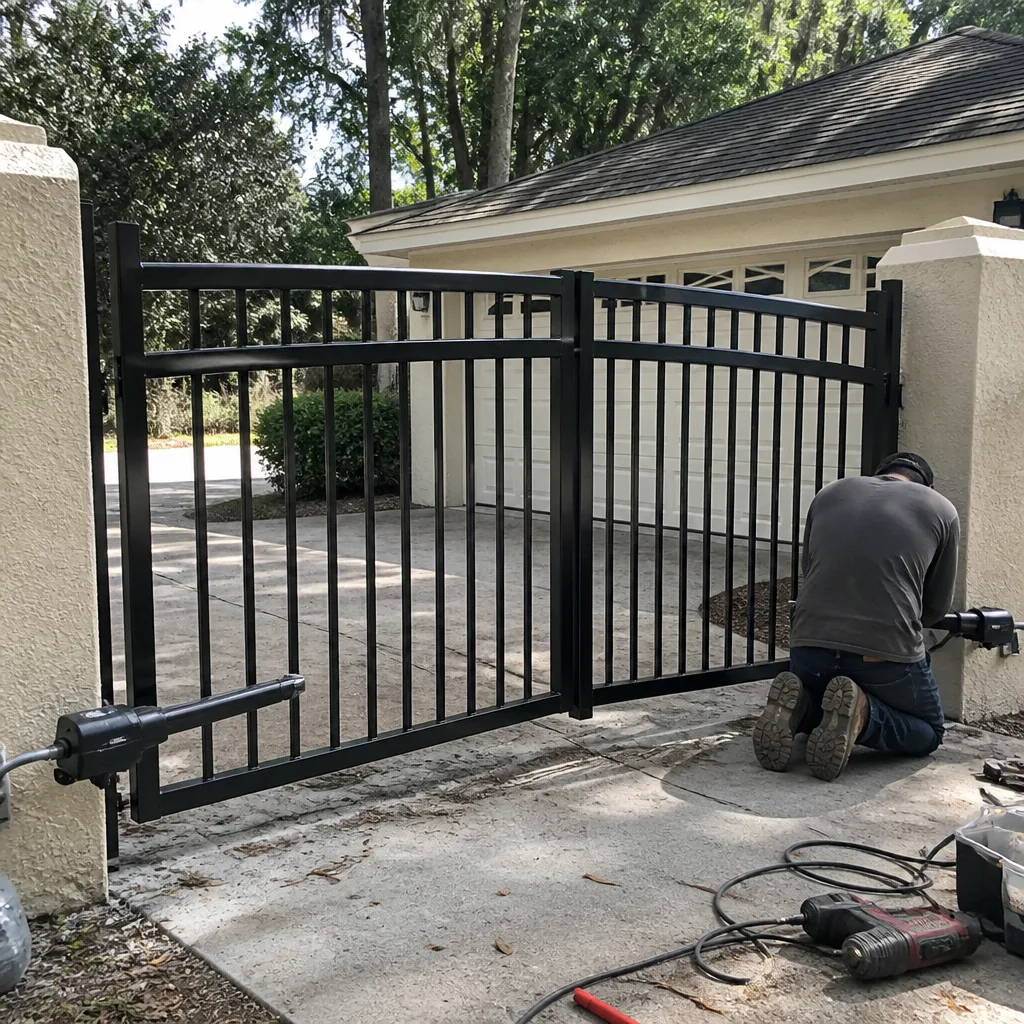 After