
Last updated October 30, 2026
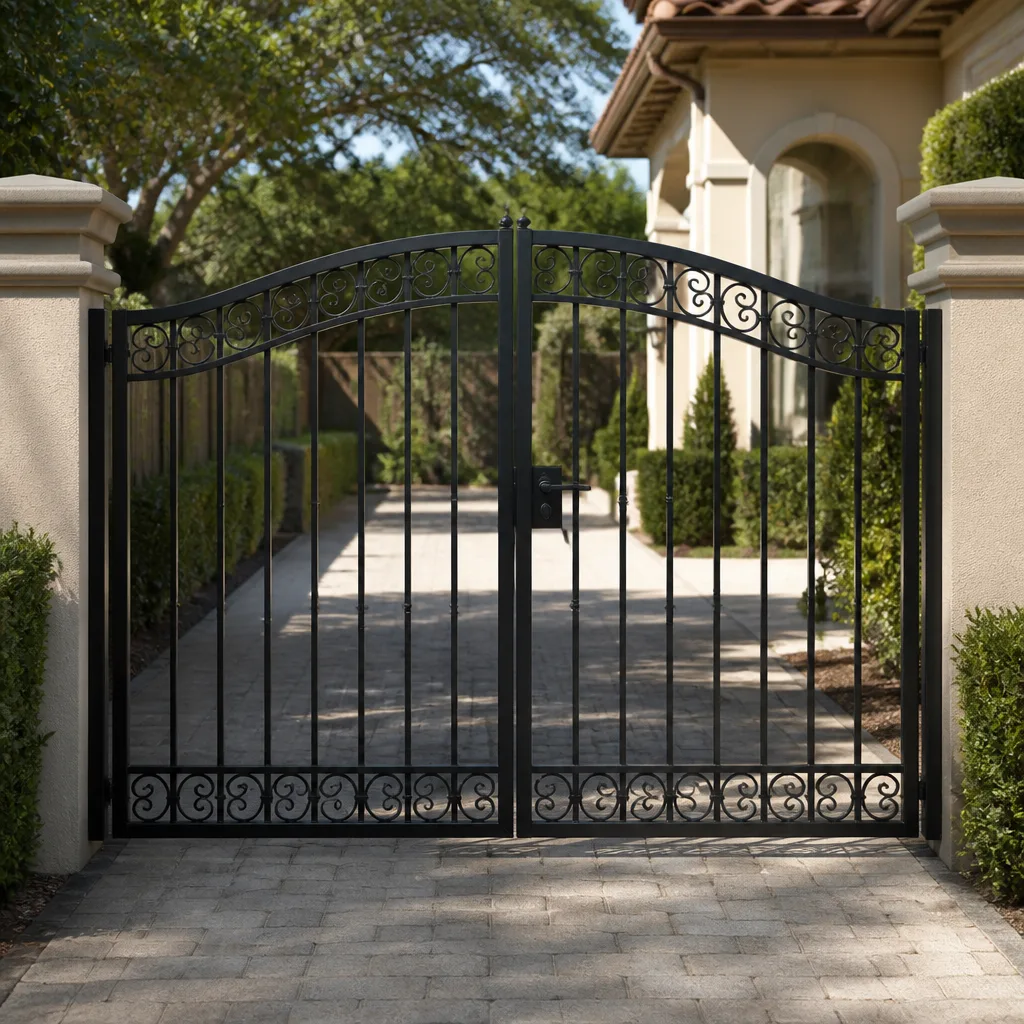 Wrought iron
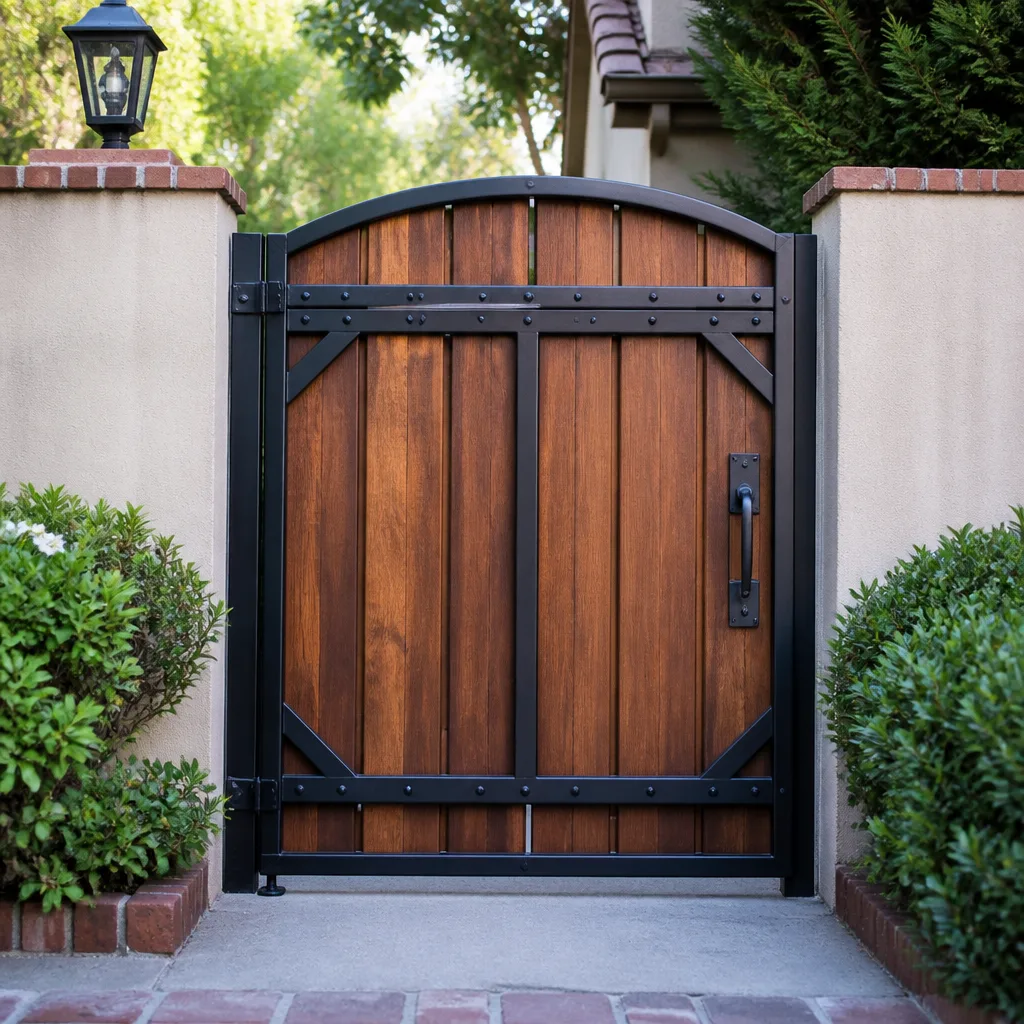 Wood & steel frame
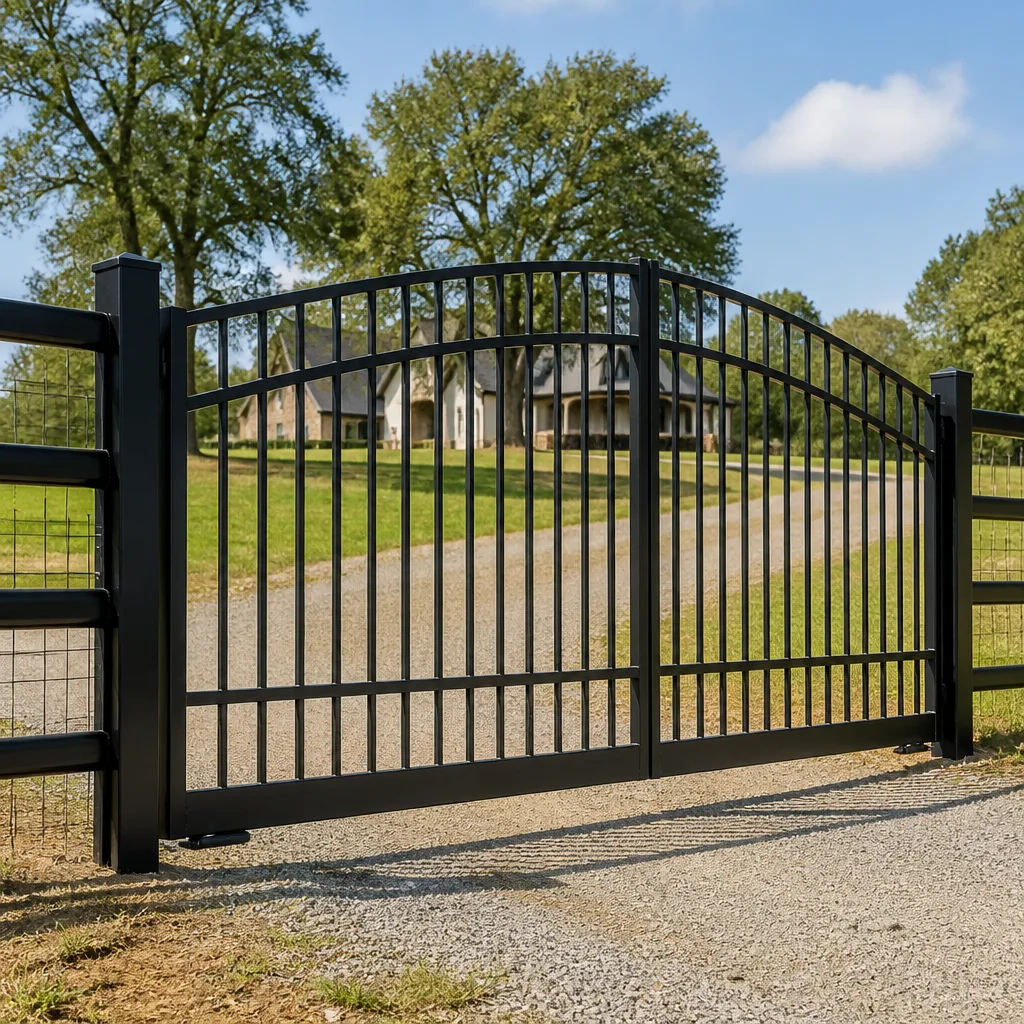 Farm & ranch
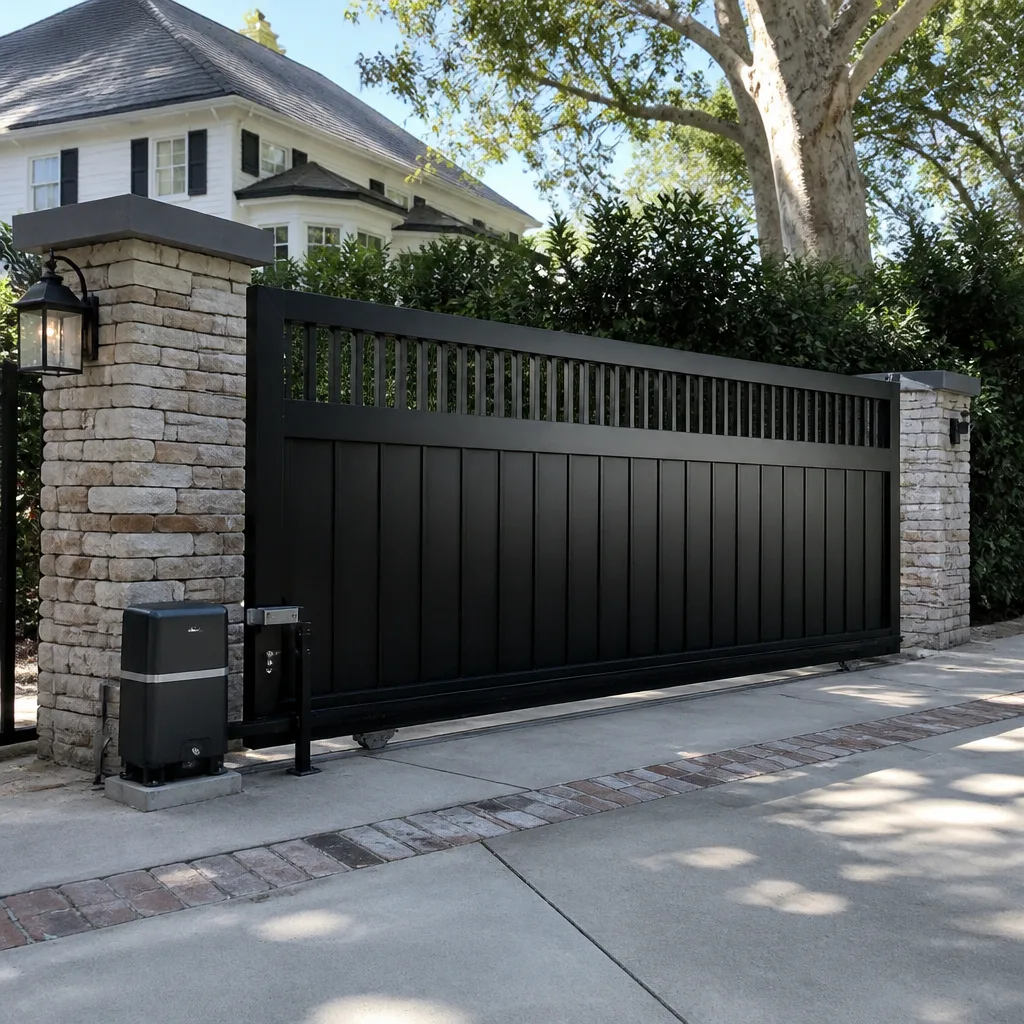 Sliding driveway gates
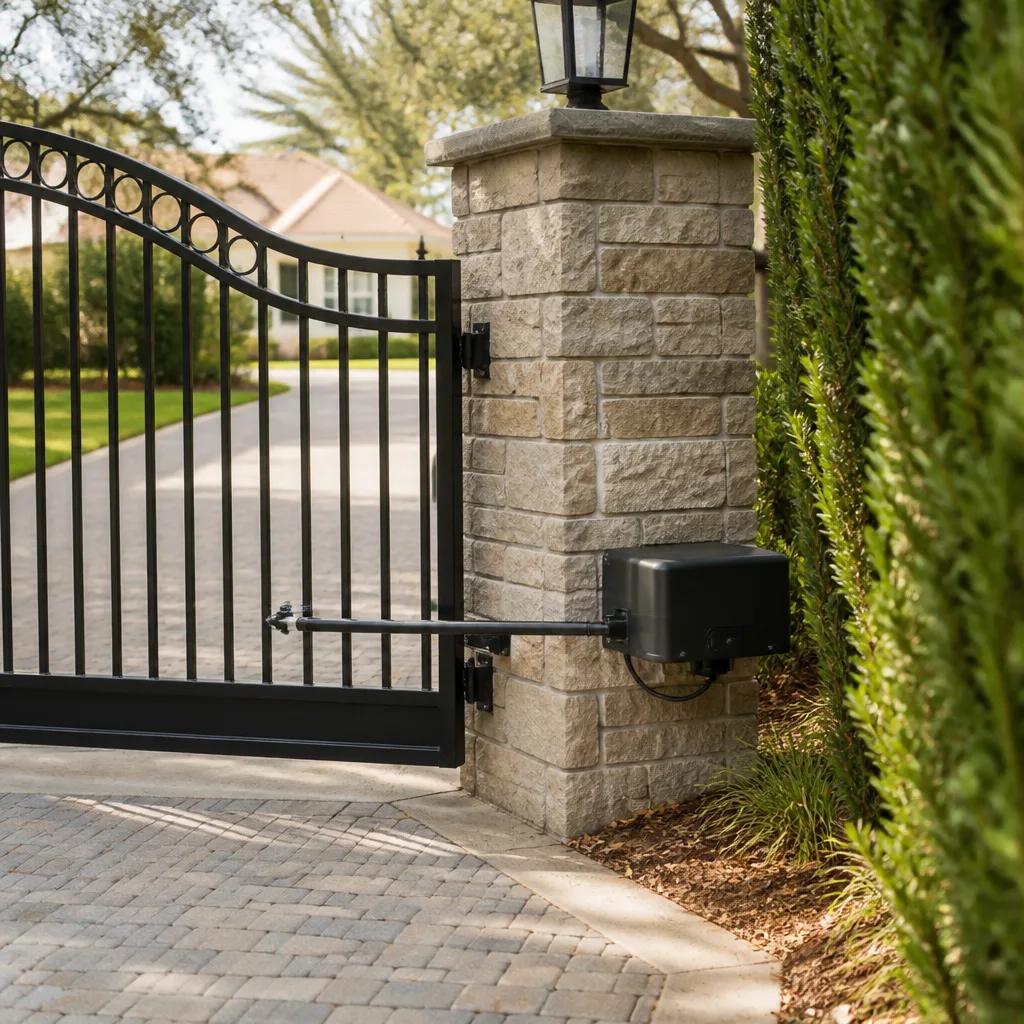 LiftMaster operators
Free on-site gate assessment - hinges, posts, and your LiftMaster or Nice gate operator checked before anything is quoted
The assessment is free and the quote is the invoice.
Get your free estimateSeasonal Gate Repair Care for Jacksonville: Year-Round Homeowner’s Guide
Most Jacksonville homeowners assume their gate is a set-and-forget fixture, right up until it isn’t. The humid truth is that gate systems along the First Coast fail on a predictable calendar, one shaped by afternoon downpours, salt-laden air, and a short winter that catches lithium batteries off guard. This guide maps that calendar for you, month by month, so you can run maintenance on Jacksonville’s actual weather clock instead of a generic four-season model that doesn’t exist here. For a deeper dive, see The Complete Gate Repair Guide for Jacksonville Homeowners. You’ll learn what to check before hurricane season, how to inspect your system after a named storm, and which brands tend to develop specific seasonal faults.
Styles & brands we work with
Quick Answer
Seasonal gate care in Jacksonville means aligning maintenance with three real weather periods: the May-to-October wet season, the November-to-April dry window, and the brief December-to-February cool stretch. The most critical tasks are pre-hurricane-season battery and operator checks in April, post-storm inspection before power restoration from June through November, and using the dry winter months for lubrication, hinge, and track repairs that get worse under summer humidity.
Table of Contents
- Jacksonville’s Real Seasons: What Your Gate Actually Experiences
- Month-by-Month Gate Care Calendar for Jacksonville
- Pre-Hurricane Season Preparation: April and May Tasks
- Post-Storm Gate Inspection: What to Check Before Power Returns
- What Jacksonville’s 40-Degree Nights Do to Gate Hardware
- Using the Dry Season to Fix Deferred Wear: November through April
- Brand-Specific Seasonal Notes: FAAC, BFT, Linear, and Viking
- Common Mistakes to Avoid
- When to Call a Professional
- Frequently Asked Questions
- The Bottom Line
Jacksonville’s Real Seasons: What Your Gate Actually Experiences
Gate hardware in Jacksonville doesn’t fight snow and ice the way it does in Atlanta or Charlotte. Instead, it contends with three environmental pressures that operate on a repeating loop. First, high humidity from late spring through early fall keeps metal surfaces damp for months at a time, accelerating corrosion on everything from hinge pins to control board contacts. Second, the daily convective thunderstorms between May and October deliver rapid temperature swings and occasional lightning strikes near gate operators. Third, salt air in neighborhoods east of the Intracoastal – Atlantic Beach, Neptune Beach, Mayport, and parts of San Marco near the river – speeds rust on exposed hardware far faster than inland areas like Mandarin or Oceanway.
Understanding this pattern matters because most national gate maintenance advice is written for drier climates. A lubrication schedule designed for Phoenix doesn’t hold up in Jacksonville’s damp season, where greases can wash away or attract grit. The gate specialists at Villa Gate Repair home see the same seasonal failure pattern year after year: neglected hinges and rusted sensor housings in October, after five months of daily rain have done their quiet work. The good news is that most of these failures are preventable on a simple calendar.
Month-by-Month Gate Care Calendar for Jacksonville
Here is a practical month-by-month maintenance rhythm built for Jacksonville’s actual weather patterns. Each entry assumes a typical single-family automated gate, either sliding or swing.
January
Jacksonville’s coldest month brings nights in the low 40s, occasionally dipping near freezing in outlying areas like Baldwin or Callahan. Check that your gate operator’s battery backup (if installed) still holds a charge; cold nights expose weak batteries that humid summers hide. Inspect gate arm connections for any stiffness caused by thickened grease. Lubricate hinges with a silicone-based product that won’t gum up at 40 degrees.
February
The tail end of Jacksonville’s brief winter is ideal for a full visual inspection of the gate track. Debris from winter winds – oak leaves, pine needles, sand from the last nor’easter – tends to accumulate in slide gate tracks. Clear it by hand rather than hosing it, since water in the track means more humidity around the motor housing. Take note of any rust spots starting on gate frames; February is the easiest month to treat them before spring rains arrive.
March
Spring break month in Jacksonville brings the first serious heat spikes, sometimes hitting the mid-80s. Your gate’s metal expands slightly in heat, and small alignment problems that were invisible in January can show up as a gate that scrapes or hangs. Walk the gate through a full open-close cycle by hand (using the manual release) once this month and listen for grinding or resistance. Also test every safety sensor: wave your hand in front of each photo eye and confirm the gate reverses.
April
This is the single most important month on the Jacksonville gate care calendar. Hurricane season officially starts June 1, but April is when you want all preparation tasks finished. Replace operator batteries if they are more than three years old. Inspect the battery backup system specifically – in a power outage after a storm, this is what moves your gate manually and automatically. Tighten all bolts on the gate frame, check the opener chain or belt tension, and verify that the manual release works without tools. If your system uses a Viking or Linear operator with a solar panel, clean the panel surface now; dust and pollen from March oak blooms cut solar efficiency significantly.
May
Jacksonville’s rainy season usually announces itself by mid-May with the first week of daily afternoon storms. This is a good month to inspect weatherproof seals around the operator housing and any junction boxes. Water intrusion is the number one cause of control board failures in automated gate systems along the First Coast. Check that conduit fittings are tight and that no exposed wiring exists at the motor or keypad.
June
Hurricane season is officially underway, and afternoon lightning becomes a near-daily feature. Consider installing a surge protector on the gate operator circuit if you don’t already have one – lightning strikes within a half-mile can spike the line and fry control boards. This is also the month when Jacksonville’s humidity hits its stride, so look for condensation inside the operator cover on humid mornings. A small desiccant pack inside the housing can help if you notice moisture.
July
Peak heat and peak rain arrive together. Gate motors in Jacksonville work hardest in July, running against heat-expanded metal and fighting mosquito-thick air. Listen for changes in motor pitch – a strained hum often means the gate is binding and the operator is drawing more amps than it should. If your gate has an automatic reverse on obstruction, test it twice this month, not once. High heat can weaken gate batteries faster too, so if you have a battery backup, test it under load (disconnect power and run the gate twice) sometime in July.
August
August is Jacksonville’s hottest and most humid month, and it’s when gate rollers and bearings wear out at the fastest rate. Sliding gates in particular suffer roller fatigue by late summer. If your gate has been in service for more than five years and has never had its rollers replaced, inspect them for flat spots, wobble, and visible wear. This is a task many homeowners discover the hard way when a roller seizes in September, jamming the gate mid-cycle.
September
September is the peak month for named-storm impacts on Jacksonville, from tropical storms to full hurricanes. Keep the gate in good working order as late into the month as possible, and know how to use the manual release before any storm arrives in the forecast cone. If a storm is approaching, leave the gate in its most sheltered position – for swing gates, that often means open or closed depending on wind exposure; for slide gates, secure the gate at the end of its travel.
October
This is the month when deferred maintenance collects its bill. Five months of rain, heat, and humidity have stressed every component, and the first cooler dry air of autumn exposes cracks, rust, and electrical gremlins that were invisible in the damp. Jacksonville repair call volumes spike in October. Run a full diagnostic: open and close the gate ten times in a row, listening for any change in motor tone, any hesitation, any safety sensor false trips. Deal with small problems now rather than in November, when cooler weather makes outdoor work pleasant but the damage has compounded.
November
The first real dry stretch of Jacksonville’s autumn is the ideal time for a deep clean. Wash the gate frame with mild soap and water, rinse it thoroughly, and let it dry completely in the low-humidity air. Apply a fresh lubricant to all moving points – hinges, rollers, chain or belt, and the operator’s drive mechanism. If you use a degreaser before lubricating, make sure it’s fully rinsed and dried; trapped degreaser attracts grit that converts to grinding paste.
December
Jacksonville December nights can drop into the 30s, especially further inland along the St. Johns River. Hydraulic gate operators are noticeably slower in cold weather until the fluid warms; this is normal, but if the sluggishness persists past the first cycle of the day, the hydraulic fluid may need checking. Battery-backed systems drain faster in cold weather, so test your backup one more time before the year ends. Finally, walk the entire gate perimeter and make note of everything that needs repair – this is your dry-season to-do list.
Pre-Hurricane Season Preparation: April and May Tasks
Hurricane season for Jacksonville runs June 1 through November 30, with the highest local risk window from mid-August through early October. Preparing your gate in April and May is not about boarding up; it’s about making sure the gate still operates on battery power when the grid goes down, so emergency vehicles, family members, and repair crews can get in and out of your property. Automated gate operators with dead batteries become manual gates at exactly the moment you need the automation.
Here is a numbered pre-season checklist for Jacksonville homeowners:
- Test the battery backup. Disconnect the operator from main power and run the gate through at least two full open-close cycles. If it slows or stops, the batteries need replacing before storm season.
- Inspect the manual release. It should operate smoothly without tools. In a post-storm scenario, you may need to open the gate by hand while the operator is down.
- Tighten hardware. Wind gusts in a tropical system can exceed 60 mph along Jacksonville’s beaches. Loose bolts on the gate frame, track, or operator mount amplify vibration damage.
- Check weatherproofing. Verify that conduit seals, gaskets, and junction box covers are intact and watertight. Water intrusion during a heavy rain event can destroy a control board.
- Install surge protection. Lightning strikes are frequent in Jacksonville’s summer storms. A quality surge protector on the gate circuit costs a fraction of a replacement board.
- Clear debris paths. Slide gate tracks collect leaves, dirt, and sand. When hurricane-force winds throw branches and debris around, a blocked track turns a functioning gate into a jammed one.
- Document the system. Take clear photos of your operator model, control board, and wiring connections. If a surge or flooding damages the system, these photos speed up the electric gate repair in Jacksonville process.
We regularly see Jacksonville homeowners skip the battery test until a storm is already in the Gulf, and then the backup fails the first time it’s needed. Testing in April gives you two months to replace batteries if they’re dead.
Post-Storm Gate Inspection: What to Check Before Power Returns
After a named storm passes through Jacksonville, the instinct is to check whether the gate works by flipping the breaker back on or pressing the remote. Resist that instinct. If water, debris, or a power surge damaged the operator or its wiring, restoring power can cause a short that destroys the control board in an instant. Follow this sequence before returning power to an automated gate.
- Visually inspect the operator housing. Look for standing water, mud lines, or signs that the housing was submerged or blown open. Do not open a sealed housing that shows water inside unless the main breaker for the circuit is off.
- Check the gate itself. Walk the full length of the gate and look for damage to hinges, track, wheels, pickets, and the operator arm. Look for foreign debris wedged in the track or under the gate.
- Inspect all conduit and wiring. Look for pulled wires, cracked conduit, or exposed copper. These are serious shock and short risks.
- Inspect safety sensors and loops. Photo eyes may have shifted, and loop detectors in the driveway may have been affected by saturated soil. If the gate opens but will not close, start by checking the sensors.
- Test on manual release first. Disengage the operator and move the gate by hand through a full cycle. It should move freely. If it binds, the operator will struggle and potentially burn out when powered.
- Restore power and test. Once everything checks out, restore power at the breaker and test the system from the keypad, the remote, and the manual button. Test the safety reverse one final time.
If anything in this sequence looks wrong, leave the breaker off and call for service. After major storms, gate technicians in Jacksonville see a flood of calls about systems that were re-energized before the water dried out. A control board that costs a few hundred dollars to replace becomes a full operator replacement when it shorts against standing water. For storm-damaged systems that need professional attention, Gate Repair in Jacksonville through Villa Gate Repair is available at (877) 265-5090.
What Jacksonville’s 40-Degree Nights Do to Gate Hardware
Jacksonville winters are mild by most standards, but that doesn’t mean they’re easy on gate systems. The city averages about 15 freezing nights per year, mostly in January, with inland neighborhoods like Westside, Argyle Forest, and parts of the Northside dipping colder than beach communities. These brief cold snaps are enough to expose weak points that humid summers hide.
The most common cold-weather issue we see is sluggish hydraulic operators. Jacksonville homes with hydraulic swing gates often report slow operation on the first cycle of a cold morning. This happens because hydraulic fluid thickens as temperatures drop, reducing pressure at the pump. It normally resolves once the fluid warms up, but a gate that stays slow after several minutes has a more serious issue: either the fluid level is low, the fluid is contaminated with moisture, or the pump is worn. Cold weather makes these problems obvious.
Battery performance is the second casualty. Lead-acid and many lithium iron phosphate batteries lose usable capacity in cold temperatures. If your gate’s battery backup barely passed a summer test in July, it may fail completely on a January night that drops to 35 degrees. This is why testing in both summer and winter matters: seasonal temperature swings affect battery chemistry enough to change the outcome. We recommend testing your backup at least twice a year, once in January and once in July, to catch capacity fade from opposite directions.
Finally, lubricants behave differently in cold air. Greases that work fine at 80 degrees can turn tacky and stiff at 40 degrees, placing extra load on the motor at startup. If your gate operator sounds labored on January mornings but is fine by midday, the grease is part of the story. Switching to a synthetic lubricant rated for a wider temperature range solves this in most cases. Swing gate hinges, slide gate rollers, and chain drives are the main spots to address.
Using the Dry Season to Fix Deferred Wear: November through April
Jacksonville’s dry season – roughly November through April – is your strategic window. This is when humidity drops, rain becomes occasional rather than daily, and outdoor work becomes genuinely pleasant. The smart homeowner treats this stretch not as a break from gate care, but as the time to address everything the wet season exposed. Here is how we recommend using that window.
November and December: Assessment and Cleaning
The first two months of the dry season are for thorough inspection and cleaning. By November, you’ve seen how the gate performed through the worst of summer, and all the weak points have revealed themselves: the roller that squeaks, the hinge that’s gathered rust, the sensor that occasionally false-trips. Write it all down. Then clean the entire system, from the gate frame to the track to the operator exterior. Removing accumulated salt, grime, and organic debris from five months of rain prevents that residue from etching metal and accelerating rust over winter.
January and February: Mechanical Repairs
These are the coolest and driest months in Jacksonville, ideal for repairs that require disassembly. Taking apart a gate hinge in July means working in 95-degree heat with sweat running into your eyes and humidity threatening any exposed metal before you can reassemble it. In January, the atmosphere is dry enough to treat rust, prime bare metal, and apply protective coatings that cure properly. This is the time for roller replacements, hinge rebuilds, track realignment, and any welding or metalwork the gate frame needs. For homeowners considering new gate installation, the dry season is also the easiest time to schedule the work, since concrete pours and post setting go more smoothly without daily downpours.
March and April: Electrical System Refresh
As the dry season winds down, shift focus to the electrical and automation side of your system. Test every function: remotes, keypads, intercom, safety loops, photo eyes, automatic reverse, and battery backup. Replace remote batteries, reprogram codes if needed, and check that all wiring connections are clean and tight. April is the month to install that surge protector if you haven’t yet, because May’s thunderstorms are weeks away. This electrical refresh ensures your system enters the wet season with clean contacts, charged batteries, and surge protection in place.
This sequencing – mechanical work in the coolest months, electrical work just before the rain returns – matches how seasonal stress actually builds on Jacksonville gate systems. It also minimizes the chance of an August breakdown in the hottest week of the year. If any part of the mechanical or electrical work is beyond your comfort level, Gate Installation in Jacksonville and repair are available through Villa Gate Repair for both new systems and existing ones.
Brand-Specific Seasonal Notes: FAAC, BFT, Linear, and Viking
Different gate brands have different seasonal weak points, and homeowners who know their brand can anticipate problems before they happen. For help selecting a reliable system, read our guide on Choosing the Right Gate Repair Brand: A Buyer’s Guide for Jacksonville. Here are notes on a few of the most common brands we work on in the Jacksonville area. Villa Gate Repair is factory-familiar with these systems, which means we diagnose by brand-specific knowledge rather than guesswork.
FAAC
FAAC hydraulic operators are common on higher-end Jacksonville residential properties, including swing gates in Ortega, Avondale, and along the St. Johns River. Their seasonal weak point is exactly what you’d expect from hydraulics: cold-weather sluggishness in January, and moisture contamination in the hydraulic fluid during the wet season. If your FAAC gate moves noticeably slower on the first cold morning but is fine by noon, that’s often normal. If it stays slow all day or has been doing this for multiple seasons, have the system inspected. Moisture in hydraulic fluid is a progressive problem – it doesn’t fix itself, and it gets worse with every humid summer.
BFT
BFT operators are widely used in both residential and light commercial gate systems around Jacksonville. The seasonal issue we see most with BFT units is condensation inside the operator housing during summer months. BFT control boards are particularly sensitive to moisture, and Jacksonville’s humid mornings can cause condensation to form inside housings that aren’t perfectly sealed. A desiccant pack, replaced quarterly during the wet season, is cheap insurance. Also check BFT battery backup units in January; cold nights expose weak cells faster on this brand than on some others.
Linear
Linear operators, particularly the swing gate models, are common on Jacksonville homes with moderate driveway slopes. Linear’s seasonal vulnerability tends to show up in the limit switches and obstruction sensing. During hot months, the metal gate frame expands slightly, which can move the closed position just enough to trigger a false obstruction signal. If your Linear gate reverses or refuses to close on the hottest July afternoons but behaves in the evening, this is often the cause. Adjusting limits in the spring, before the heat builds, prevents most of these mid-summer nuisance calls.
Viking
Viking operators are heavily used in commercial settings, but many Jacksonville homeowners with larger or heavier estate gates also have them. The seasonal concern with Viking units is the large, heavy-duty sliding gate hardware they often drive. Jacksonville summer heat and humidity wear down Viking gate rollers and bearings faster than on lighter residential systems. We recommend inspecting Viking-driven slide gates twice during the wet season – once in June, once in September – because a seized roller on a heavy commercial-grade gate is a far bigger repair than on a light residential gate. Also check the gearbox vent plug in humid months; moisture trapped in the gearbox shortens gear life significantly.
Common Mistakes to Avoid
- Testing the battery backup only in mild weather. A battery that passes in April may fail in a January cold snap or a July heat wave. Test at opposite ends of Jacksonville’s temperature range.
- Ignoring a slowing gate in summer. Jacksonville heat expands metal, and a gate that was slightly out of alignment in March can bind hard by August. A slow gate all summer is a motor burnout waiting to happen.
- Lubricating without cleaning first. Adding fresh grease on top of old dirty lubricant in Jacksonville’s gritty air creates an abrasive paste that accelerates wear on rollers and hinges.
- Restoring power after a storm without inspecting. The single most expensive mistake we see after named storms. A shorted control board from water damage can be replaced cheaply if caught before power is restored.
- Skipping the post-storm sensor check. Photo eyes and loop detectors often shift or fail after heavy rain and wind. A gate that works fine but won’t close is usually a sensor issue, not an operator failure.
- Treating all gate brands the same. A FAAC hydraulic system and a Viking slide operator need different seasonal attention. Brand-specific knowledge catches problems before they become breakdowns.
- Waiting until the gate fails to call a specialist. Jacksonville homeowners who schedule dry-season preventive maintenance in November have a fraction of the summer breakdowns we see from reactive-only owners. The math on deferred care is unforgiving.
When to Call a Professional
Some gate tasks are genuinely doable for a capable homeowner: cleaning tracks, testing remotes, clearing debris, applying lubricant, checking visible bolts. Other tasks are not, either because of safety risk or because specialized diagnostic equipment is required. Gates carry significant weight – a sliding gate can weigh several hundred pounds – and automated systems include high-tension springs, powerful motors, and electrical components that can cause serious injury if handled incorrectly. If your gate has come off its track, if you see exposed wiring, if the operator makes grinding or popping noises, or if the safety reverse isn’t working, stop using the system and call a professional for Gate Repair services. The same applies to any electrical diagnostics on control boards, loop detectors, or motor capacitors. High-tension gate springs and cables under load are genuinely dangerous; a trained gate technician knows how to release that stored energy safely.
Villa Gate Repair offers free estimates in Jacksonville – call (877) 265-5090. We’re gate-only specialists, and we work on your brand, whether it’s FAAC, BFT, Linear, Viking, or another of the major systems on the market. Explore our more guides & resources for year-round gate care tips.
Frequently Asked Questions
Twice per year is the minimum we recommend for automated gate systems in Jacksonville: once in April before hurricane season and once in November at the start of the dry season. The April service focuses on electrical readiness and battery health; the November service focuses on mechanical wear, cleaning, and lubrication.
Seasonal maintenance visits for gate systems in Jacksonville generally run between $150 and $350, depending on the system type and what’s included. Repairs run higher based on parts and labor. For an exact quote on your specific gate, call (877) 265-5090 – estimates are free, and the price is always quoted and agreed before any work starts.
Most likely, yes. We work on a wide range of gate brands, including FAAC, BFT, Linear, Viking, LiftMaster, Ghost Controls, DoorKing, Elite, and Mighty Mule. If in doubt, call with your operator model number and we’ll tell you exactly what we can do.
Yes, in three specific ways. Strong winds stress the gate frame and mounting hardware. Heavy rain tests every seal, gasket, and conduit fitting on the operator. And power surges from lightning strikes near the gate circuit can destroy control boards. Most post-storm gate failures involve at least one of these three factors.
Disengage the manual release and move the gate by hand. If it moves freely and smoothly, the gate itself is fine and the problem is in the operator, the controls, or the sensors. If it binds, scrapes, or resists, the mechanical issue is in the gate, the track, or the hinges. This simple test narrows down most gate problems in under five minutes.
Yes. Full gate installation includes proper power runs, conduit, weatherproofing, safety edges, photo eyes, and loop detectors where required. We provide a free measure and a written price before any installation work begins. Call (877) 265-5090 to schedule your estimate.
The Bottom Line
Jacksonville gate care is a matter of calendar discipline, not constant vigilance. Test batteries in January and July, prepare for hurricane season in April, inspect after every named storm before restoring power, and use the dry season from November through April for mechanical repairs and deep cleaning. Gates that receive this rhythm of attention rarely surprise their owners. Gates that are ignored until they fail almost always fail in October, after five months of rain and heat have done their worst. The single best investment you can make in your gate is a twice-yearly inspection from a specialist who knows your specific brand, your specific system, and Jacksonville’s specific weather.
Written by the team at Villa Gate Repair, serving Jacksonville since 2012.
See the difference
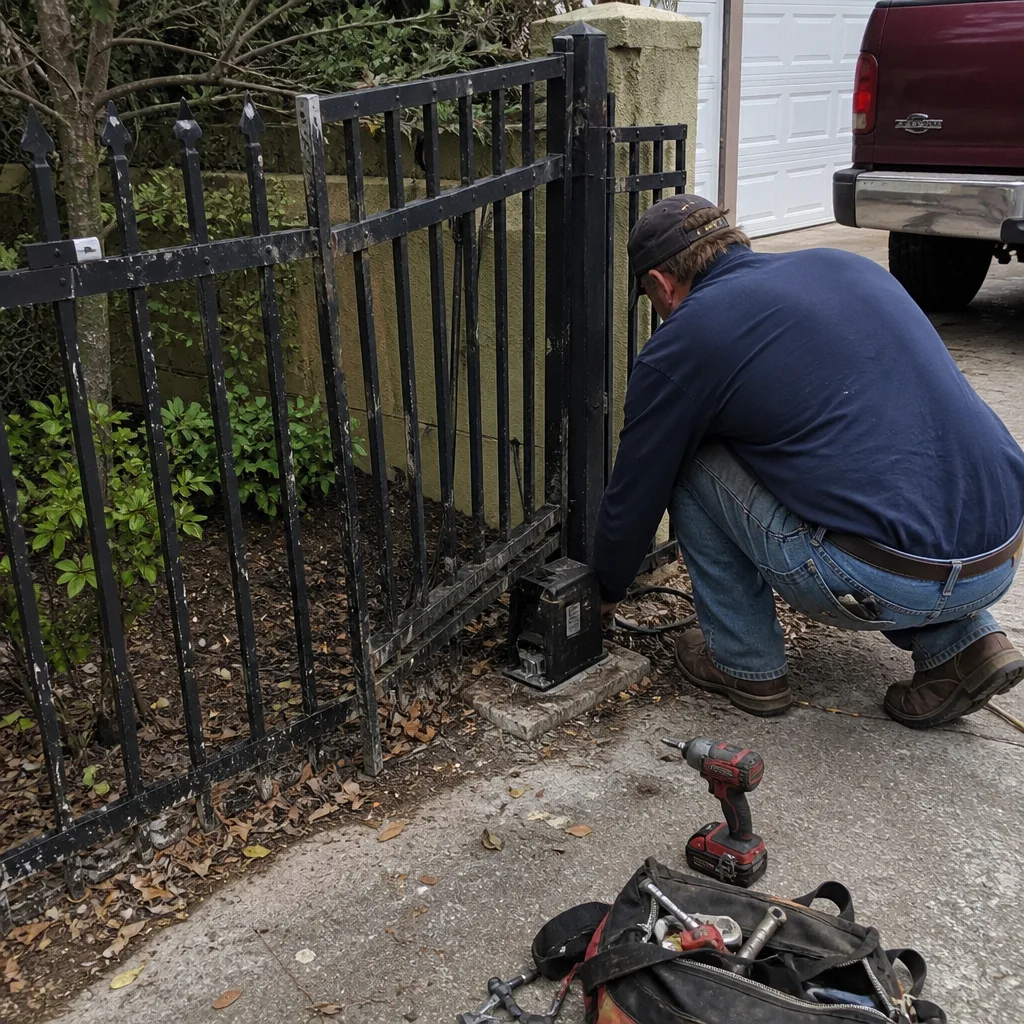 Before
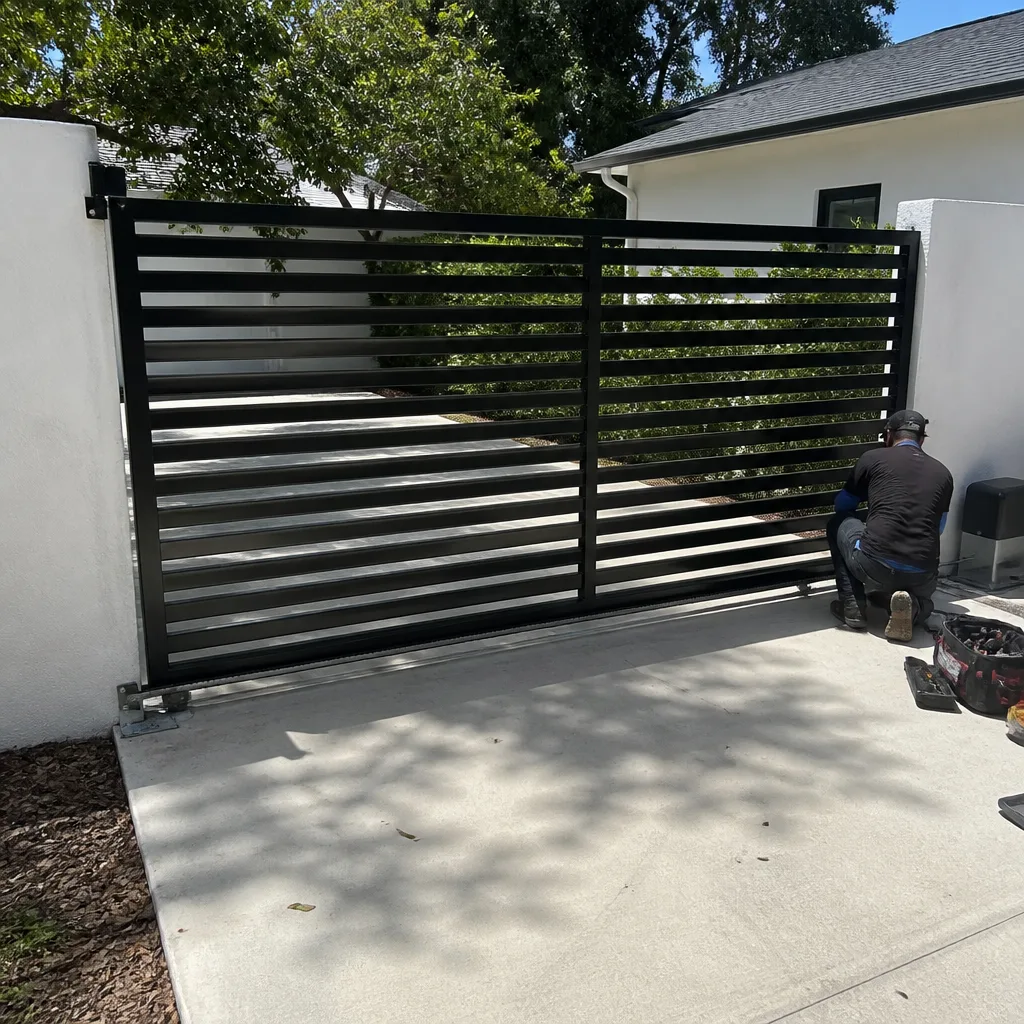 After
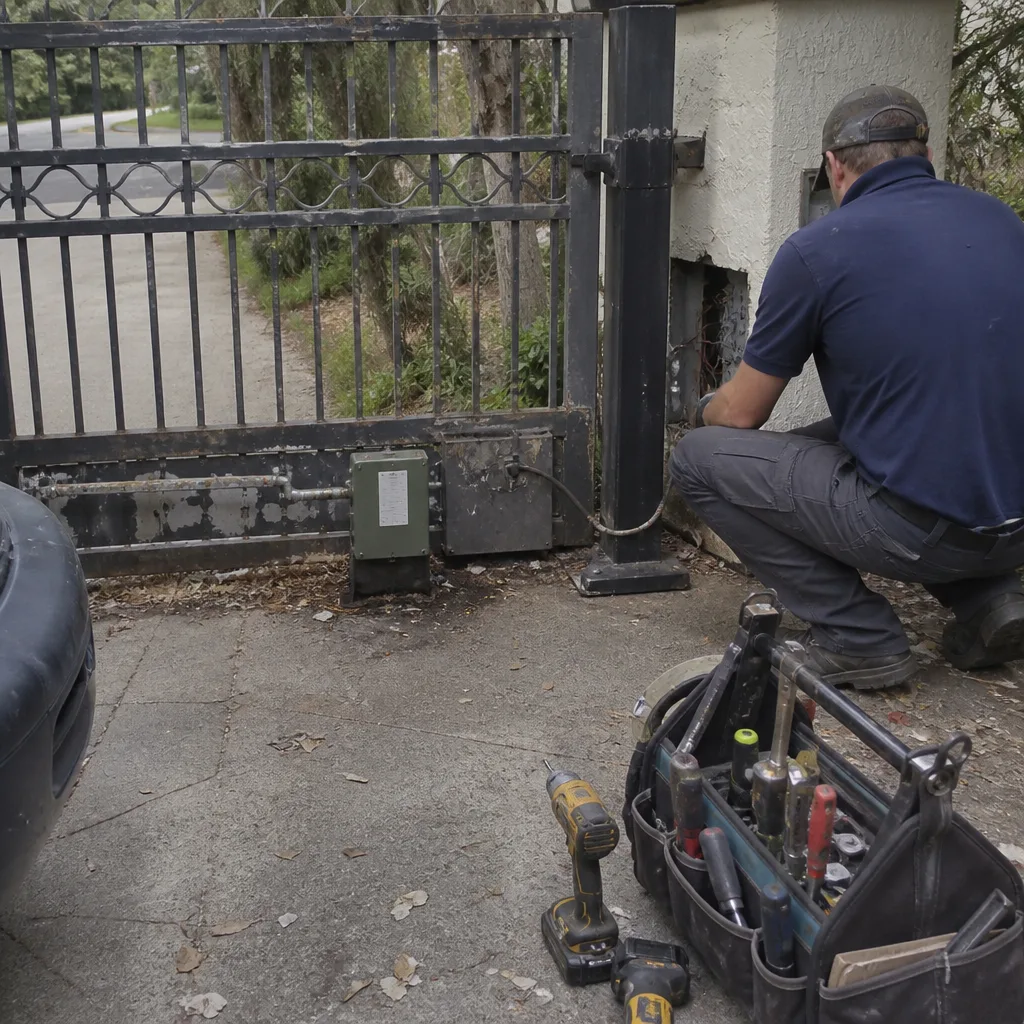 Before
 After
 Before
 After